The Hidden Sewa of Sardar Gahil Singh

In many a culture Autumn is a time to celebrate, honor and pay homage/obeisance to ancestors who are no longer with us. They are remembered in Mesoamerica as ‘El Dia De Los Muerto (The Day of the Dead)’ , in England and Celtic cultures as ‘All Hallows Eve’ and ‘Samhain’ respectively, in Japan as ‘Bon or Obon’ festival, and in India as ‘Shraadh or Pitr Paksh’ (The fortnight of ancestors)’, etc. Now that it’s Fall again in the northern hemisphere, it’s time to remember our forebears, and I would like to salute and pay tribute to my maternal great-grandfather, Sardar Gahil Singh. I previously wrote a brief a blogpost on him on April 1, 2019, regarding his work with M.A. Macauliffe to translate the Guru Granth Sahib in English. Since then, I have had more fortuitous connections with my aunts and cousins who are also his direct descendants and I learnt so much more. I must also thank Chiraagi Gill and Deepi Brar to give concrete information and pictures, which also validates what my mother has shared with me. In addition, I also found a treasure trove of information in various British and US newspaper archives.
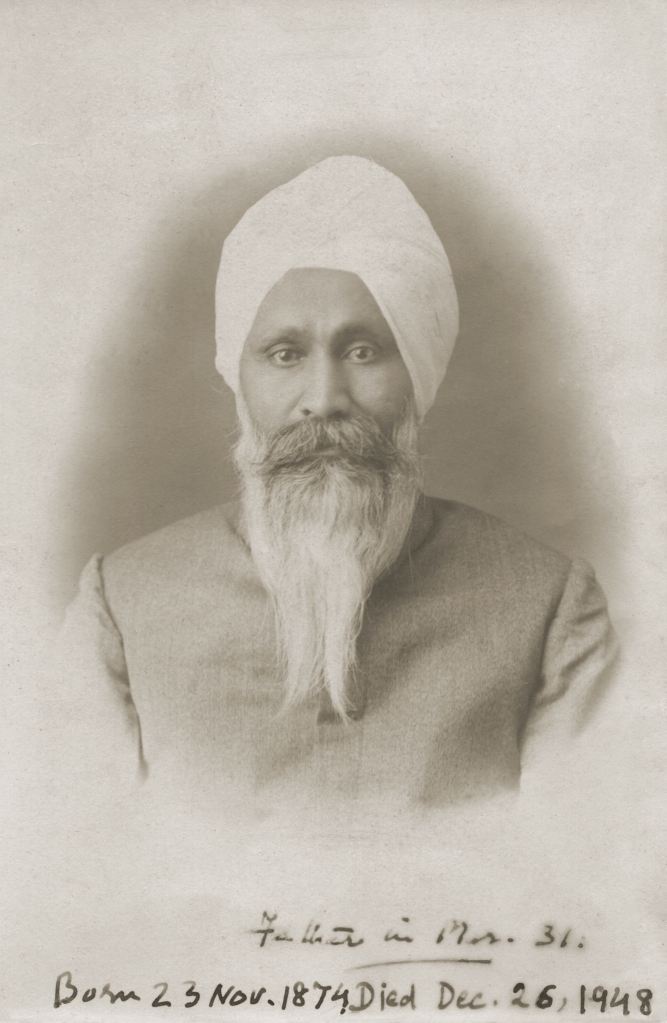
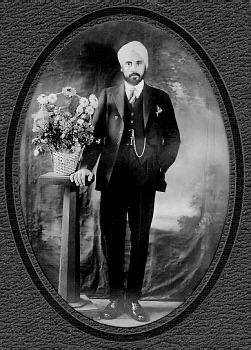
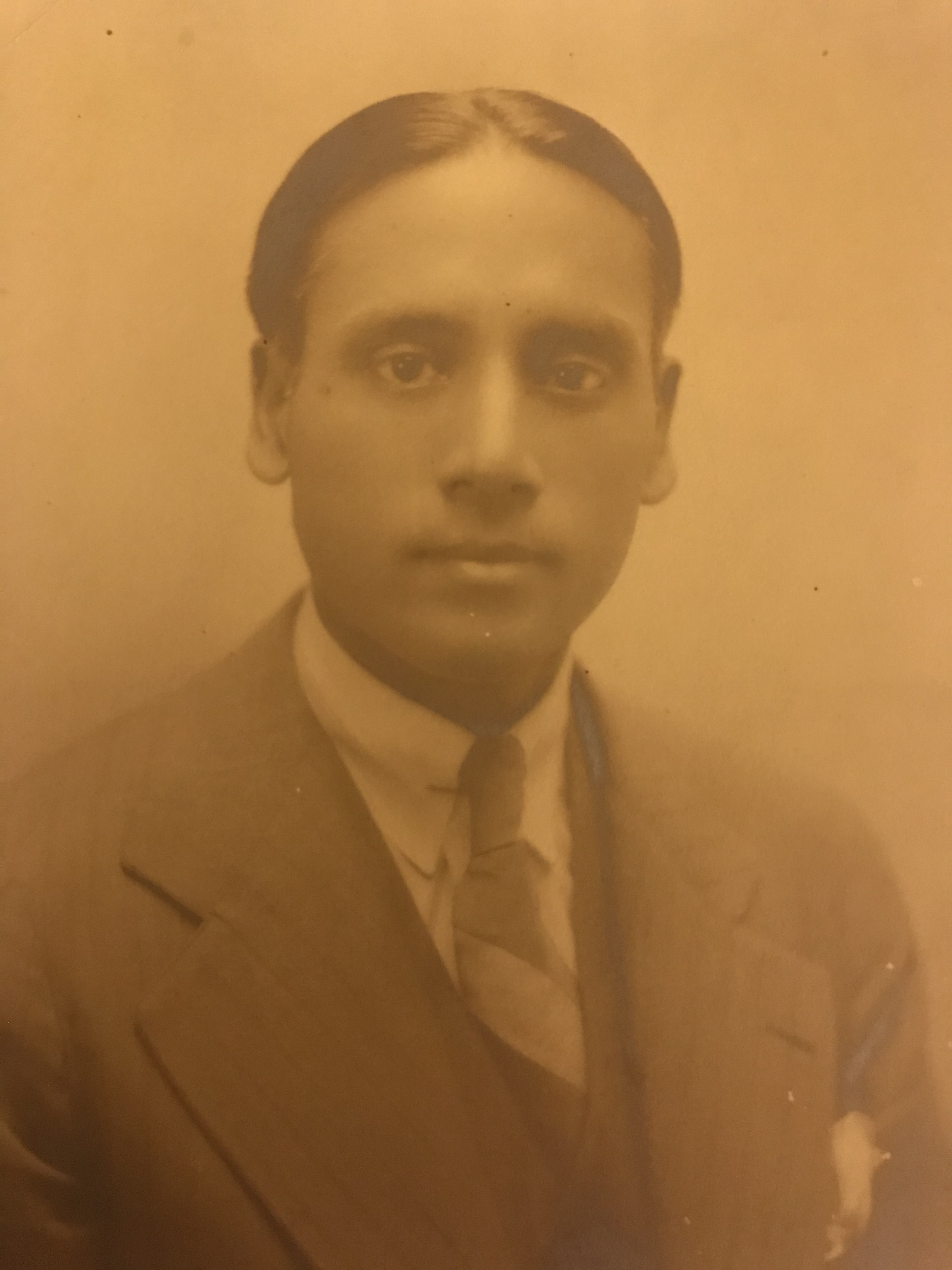
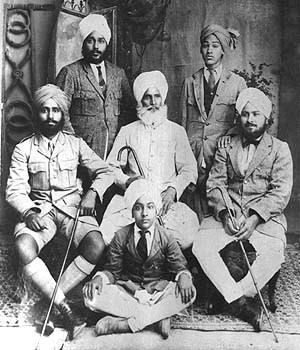
Sardar Gahil Singh Sangha was born on November 23rd, 1874. He was orphaned at a young age, remained unschooled and uneducated until the age of 11 or 12, and in those early formidable years grazed cattle or worked on the farm! It is unknown how his parents died (my mother shares that his elder sister and brother-in-law raised him, while my cousin’s share that it was his maternal uncles). Everything changed for him when he went to an ‘Adalat’ (courthouse) where he got fascinated and beguiled by the stature, eminence, and jurisdiction of the officiating judge as well as the deep reverence, admiration, and the social standing that the position held. He inquired how he could become one. Thereafter, he completely immersed himself in studies, earned a bachelor’s degree (a feat in late 19th century), and became quite a prolific scholar and learned man of his time. He became a ‘Nazim’ (a session judge) of in the Patiala principality (Narnaul-Mahendergarh) and a high official in the Ijlas-i-khas (the court of the maharaja) during the reign of Maharaja Bhupinder Singh. This is also the time when he got acquainted with M.A. Macauliffe, the then deputy commissioner of Punjab (later a divisional judge), and upon his retirement in 1893 was helped and advised by this patriarch with the translation of the sacred Sikh scripture ‘Sri Guru Granth Sahib’ into English. He did this as a ‘gupt seva’ (selfless anonymous work without the thought or need for recognition, reward). Although he kept his contribution anonymous, I think a lot of time has passed and I want the world to know of that as well and for that I have added the article below that was published on Mr. Mcauliffe’s passing and the people associated with him are listed including this patriarch.

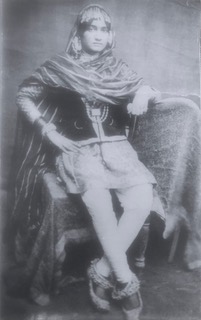
He was married to Chand Kaur and together they had seven children – four sons and three daughters  (Pratap Singh, Chitwant Kaur, Raj Kaur, Kartar Singh, Balwant Singh, Ishar Kaur, and Preetam Singh).  I loved the anecdote that my cousin Chiraagi shared as to how they came to be betrothed.  She shared that Chand Kaur’s father, a distinguished gentleman from Mansa, went to Khalsa College Amritsar (a very famed and eminent education institute of its time) to find an educated suiter for his daughter.  Gahil Singh, was one of only two students who were still single (and not engaged to anyone), and with no parents in the picture, he was quickly roped in and betrothed!  He passed away on December 26th, 1948, in his ancestral village of Talwandi Malian. 

Another anecdote that my mother mentions is the circumstances in which Sardar Gahil Singh and Sardar Bhagwan Singh (Nazim of Nabha) were able to get their offsprings’ married despite intense rivalry between Patiala and Nabha principalities.  In addition, Maharaja Bhupinder Singh of Patiala renowned for his charisma, flamboyance, and opulent lifestyle, also had an equally notorious reputation for womanizing, abducting women for his harem (rewarding effected families handsomely to buy silence) and for tantalizing vices.  He had scores of consorts and countless concubines, and still no woman was safe around him!  In this climate, this marriage between officials of the two warring states occurred.  According to my mother, Patiala Maharaja (Bhupinder Singh) upon finding out of about this marriage, was furious and stated, “were my ‘Ahalkars’ (officials) dead, that this marriage alliance had to be made with someone at Nabha.”   The basis of this marriage was a judgement sent by Sardar Gahil Singh representing Patiala state to Sardar Bhagwan Singh representing Nabha state.  The latter impressed by Patiala Nazim’s handwriting commented “Patialawala di lakhayi bahut soni hai (Patiala judge has a very exquisite script)’.  To which someone responded that the script was not his but that of his daughter’ who perhaps was home on a school break, and perhaps helping her father.  He asked if a ‘Saak’ (a proposal for marriage) could be arranged between the two parties so that their children could marry. His reasoning was that if ‘padi likhi kudi au jayoogi, ta mera khandan ban jayuga’ (an educated daughter-in-law come, my family/lineage will become educated as well).  The wedding between my grandparent occurred in Ludhiana, in Pathod house, and far away from the politics of the two principalities.  This also talks about his tact, discretion, and the high regard he commanded. 

Below article from ‘THE CIVIL & MILITARY GAZETTE’ Published Wednesday, January 7, 1914 as well as the full transcript below that shows strong association with Mr. M.A. Macauliffe
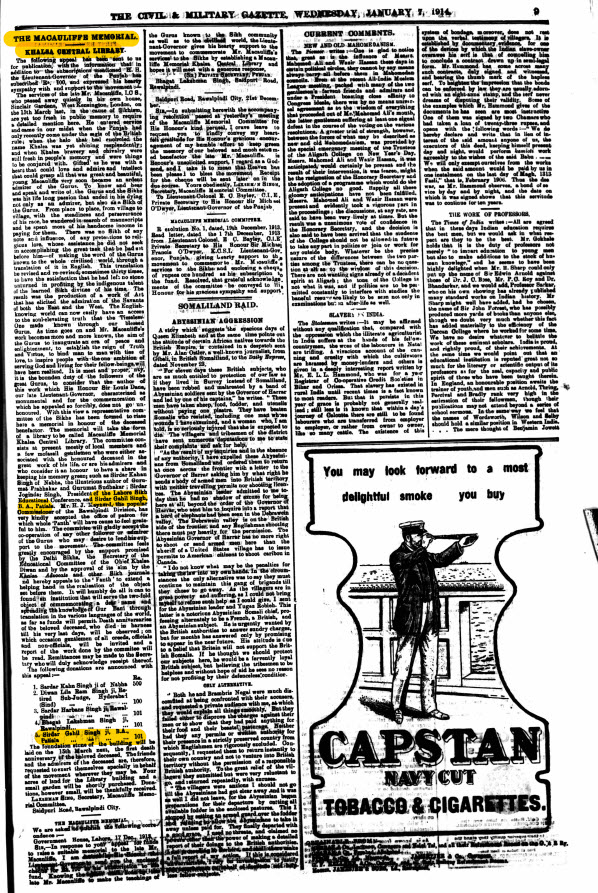
THE MACAULIFFE MEMORIAL. 

——————

KHALSA CENTRAL LIBRARY.

The following appeal has been sent to us for publication, with the information that in addition to the subscriptions mentioned. H. H. the Lieutenant. Governor of the Punjab has subscribed ‘Rs. 100, and expressed his hearty sympathy with and support to the movement.

The services of the late Mr. Macauliffe, I.O.S., who passed away quietly in his own house, Sinclair Gardens. West Kensington, London, on the 15th March last, in the cause of Sikhism, are yet too fresh in public memory to require a detailed mention here. He entered service and came in our midst when the Punjab had only recently come under the aegis of the British rule; when the halo that had encircled the name Khalsa was yet shining resplendently; and when Khalsa bravery and chivalry were still fresh in people’s memory and were things to be conjured with. Gifted’ as he was with a heart that could love and admire and intellect that could grasp all that was great and beautiful, young Macauliffe very soon became an ardent admirer of the Gurus. To know and bear and speak and write of the Gurus and the Sikhs was his lifelong passion that ended in his dying not only as an admirer, but also as a Sikh of the Gurus. From place to place, from village to village, with the steadiness and perseverance of his race, he wandered in search of manuscripts, and he spent most of his handsome income in paying for them. There was no Sikh of any note and influence, of any pretentions to lore, whose assistance he did not seek in accomplishing the great task that he had set before him—of making the word of the Gurus known to the whole civilized world, through a translation of it in English. This translation he revised and re-revised, sometimes thirty times, to have the satisfaction that he had left no stone unturned in profiting by the indigenous talent at the learned Sikh divines of his time. The result was the production of a work of Art that has elicited the admiration of the Savants of both the East and the West. The English. knowing world can now easily have an access to the soul-elevating truth that the Timeless- One made known through our blessed Gurus. As time goes on and Mr. Macauliffe’s work becomes more and more known, the aim of the Gurus to inaugurate an era of peace and enlightenment, to establish the reign of Truth and Virtue, to bind man to man with ties of love, to inspire people with the one ambition of serving God and living for their fellow beings, will have been realized. It is meet and proper, nty, it is the bounden duty of the followers of the great Gurus, to consider that the author of this work which His Honour Sir Louis Dane, our late Lieutenant Governor, characterized as monumental and for the commemoration of which he appealed so forcibly, does not go unhonoured. With this view a representative committee of the Sikhs has been formed to raise here a memorial in honour of the deceased benefactor. The memorial will take the form of a library to be called Macauliffe Memorial Central Library. The committee consists at present mostly of local members and a few mofassil gentlemen who were either associated with the honoured deceased in the great work of his life, or are his admirers and who consider it an honour to have a share in keeping his memory green; such as Sirdar Kahan Singh of Nabha, the illustrious author of Gurumat Prabhakar and Gurumat Sudbakar ; Sirdar Jogindar Singh, President cf the Lahore Educational Conference, and Sirdar Gahil Singh, B. A., Patiala. Mr. H. J. Maynard, the popular Commissioner of the Rawalpindi Division, has very kindly accepted the office of patron for which whole ‘Panth’ will have cause to feel grateful to him. The committee will gladly accept – the cooperation of any other follower or admirer of the Gurus who may desire to lend His -support to the movement. The committee feels greatly encouraged by the support promised by the Delhi Sikhs, the Secretary of the Educational Committee of the Chief Khalsa Diwan and by the approval of its aim by the Khalsa Advocate and other Sikh journals and hereby appeals to the ‘Panth ‘to extend a helping hand in the realisation of the object set before them. It will humbly do all it can to found an institution that will serve the two-fold object of commemorating a della’ name and spreading the knowledge of Gur Bani through translation in the various languages of the world, as far as funds will permit. Death anniversaries of the beloved deceased, who died in harness till his very last days, will be observed; on which occasion gentlemen of all creeds, officials and non-officials, will be invited and a report of the work done by the committee will be read. Remittances may be made to the Secretary who will duly acknowledge receipt thereof. The following donations are announced with this appeal;-

The foundation stone of the building will be laid on the 15th of March next, the first death anniversary of the beloved deceased. The friends and the admirers of the deceased are, therefore, requested to exert themselves specially in behalf of the movement wherever they may be. Four acres of land for the Library building and a small garden will be shortly purchased. Donations, however small, will be thankfully received.

                                                                                                                                                Rs.

1. Sardar Kahn Singh ji of Nabha …                                                                              500 

2. Diwan Lila Ram Singh ji, Retired Sub-Judge, Hyderabad (Sind)                     100 

3. Sardar Harbans Singh ji, Rawalpindi …                                                                  100

4. Bhagat Lakshman Singh ji, …                                                                                     101 

5. Sirdar Gahil Singh ji, B.A., Patiala …                                                                      101

LAKSHMAN SINGH, Secretary, Macauliffe Memorial Committee,

Saidpuri Road, Rawalpindi City.
An Overdue Remembrance: Indar Singh in Flanders and Mesopotamia. WW1

Babaji Indar Singh

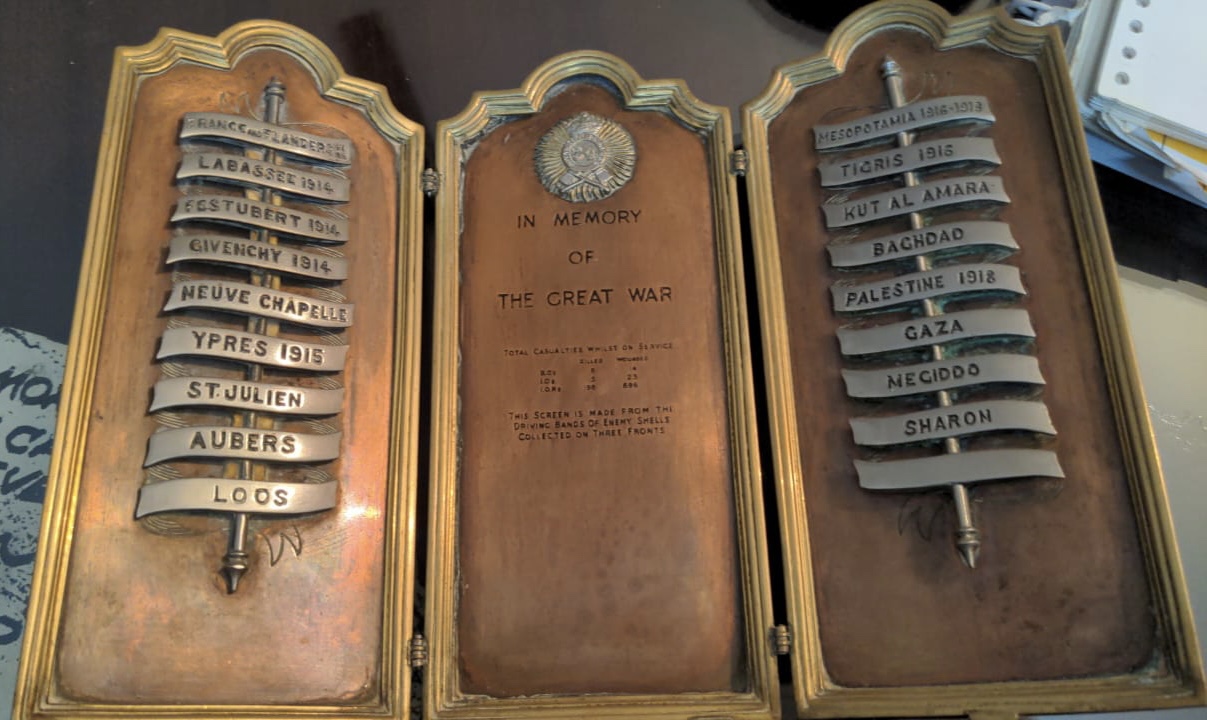
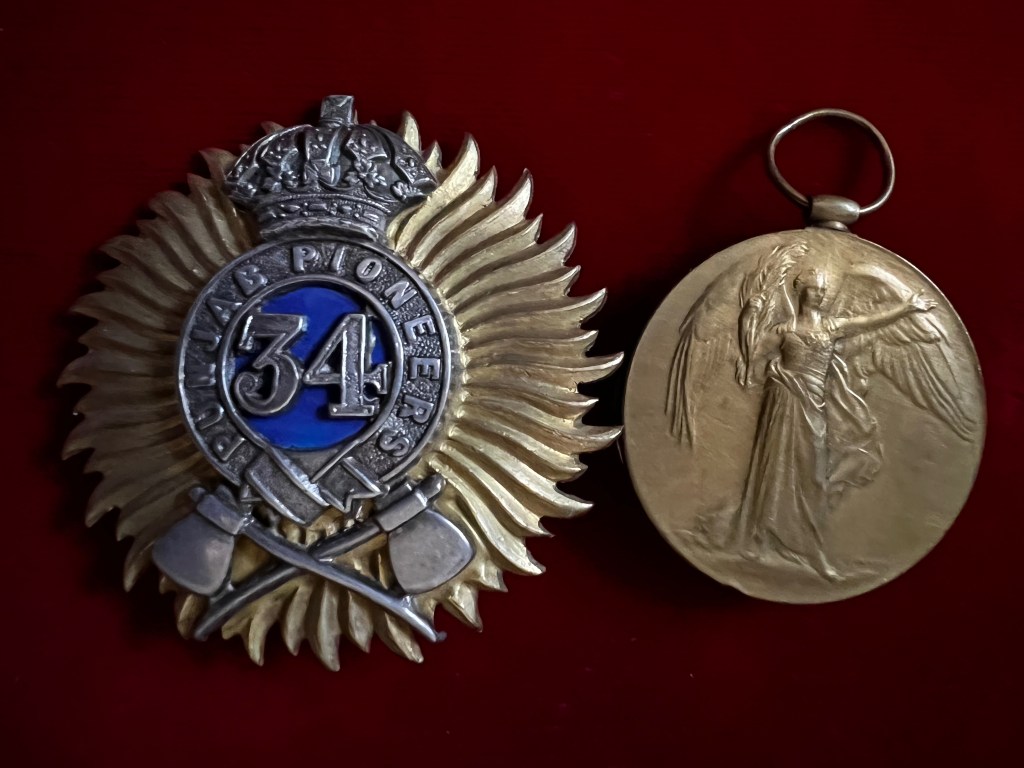
Today, on this Remembrance/Veterans Day, the world celebrates and honors the fallen soldiers of the Great War. It also commemorates the day Armistice was signed that brought World War 1 to its end. In this sea of poppies, which is considered a symbol of sacrifice, I too want to recognize and pay tribute to my ancestor Subedar Indar Singh, who saw the various theatres of war fighting the Germans in Flanders & Western Front and later the Ottoman Empire in Mesopotamia.


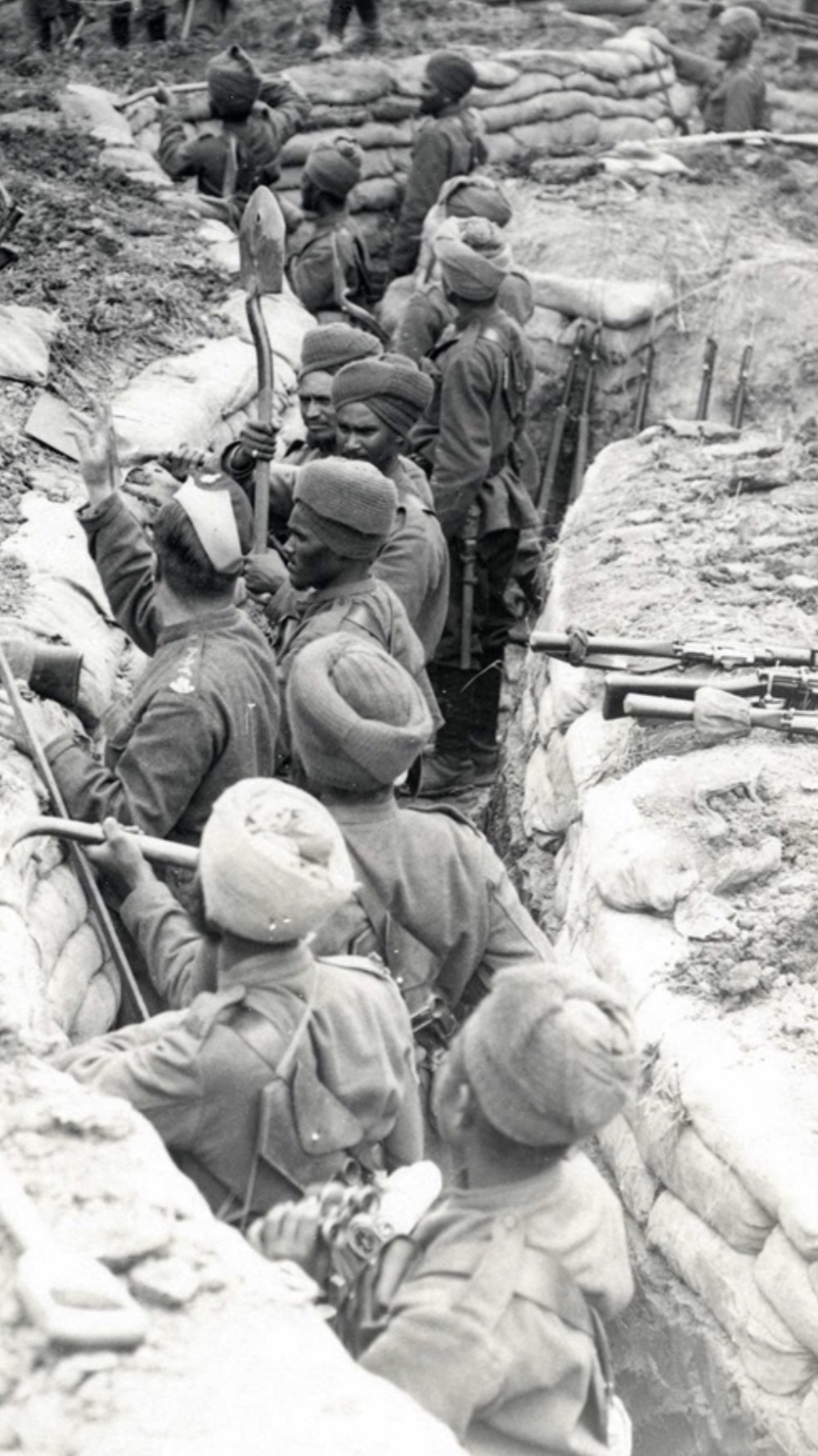
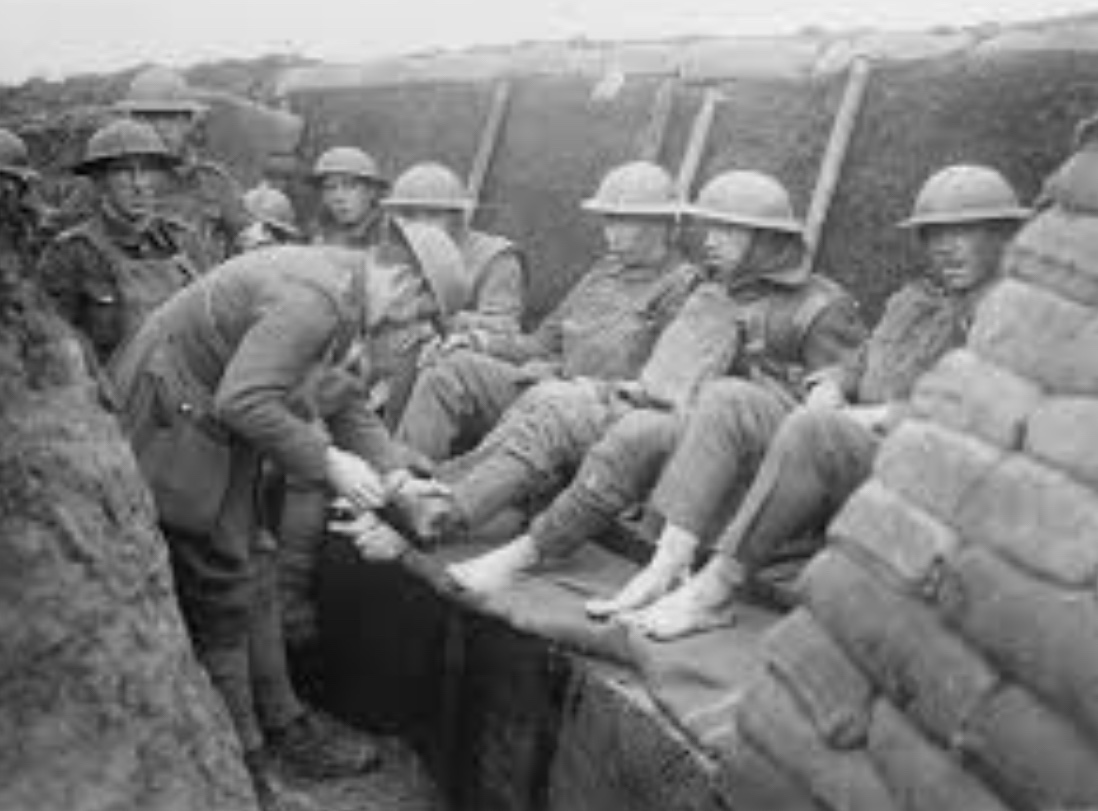
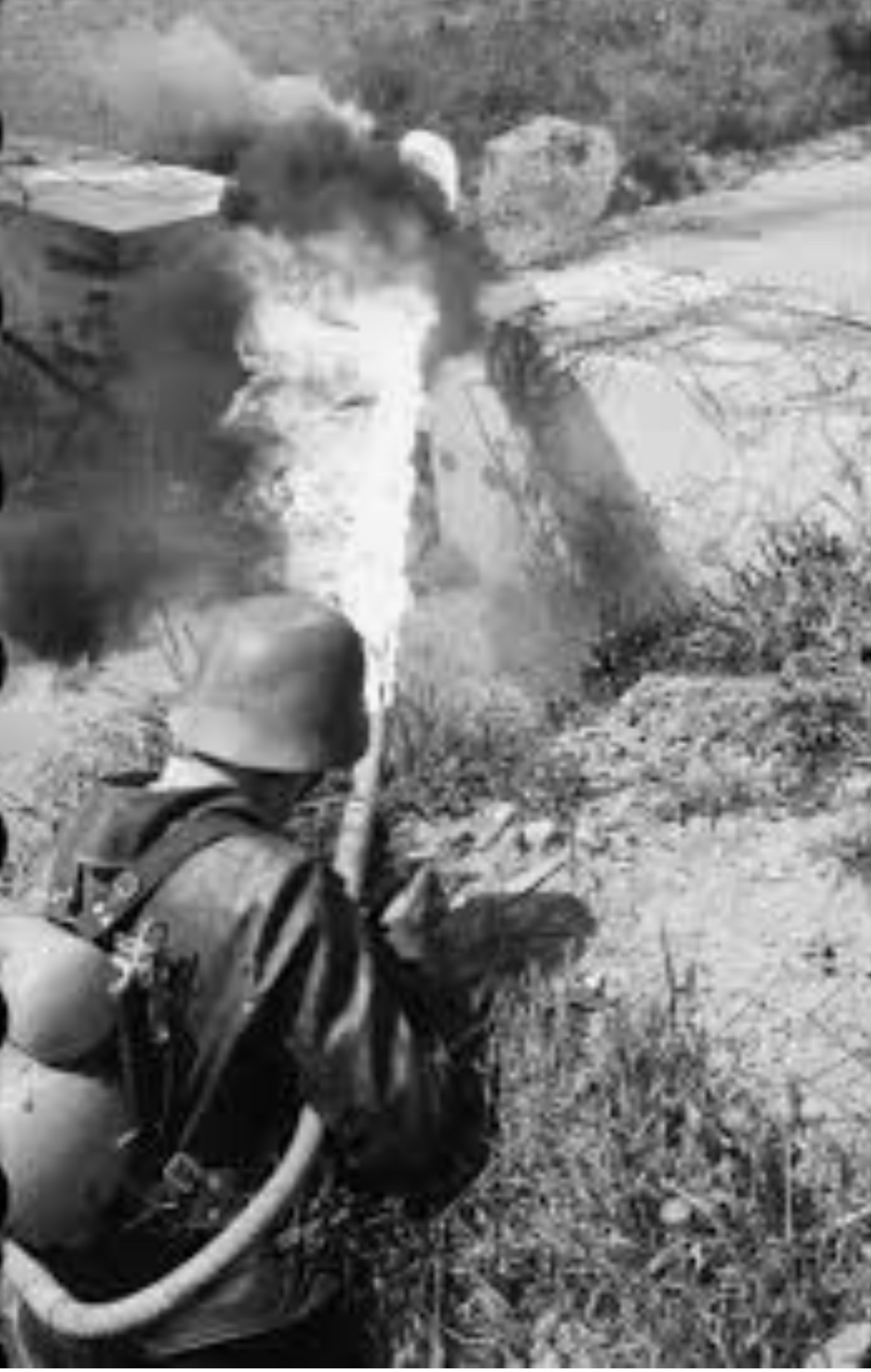
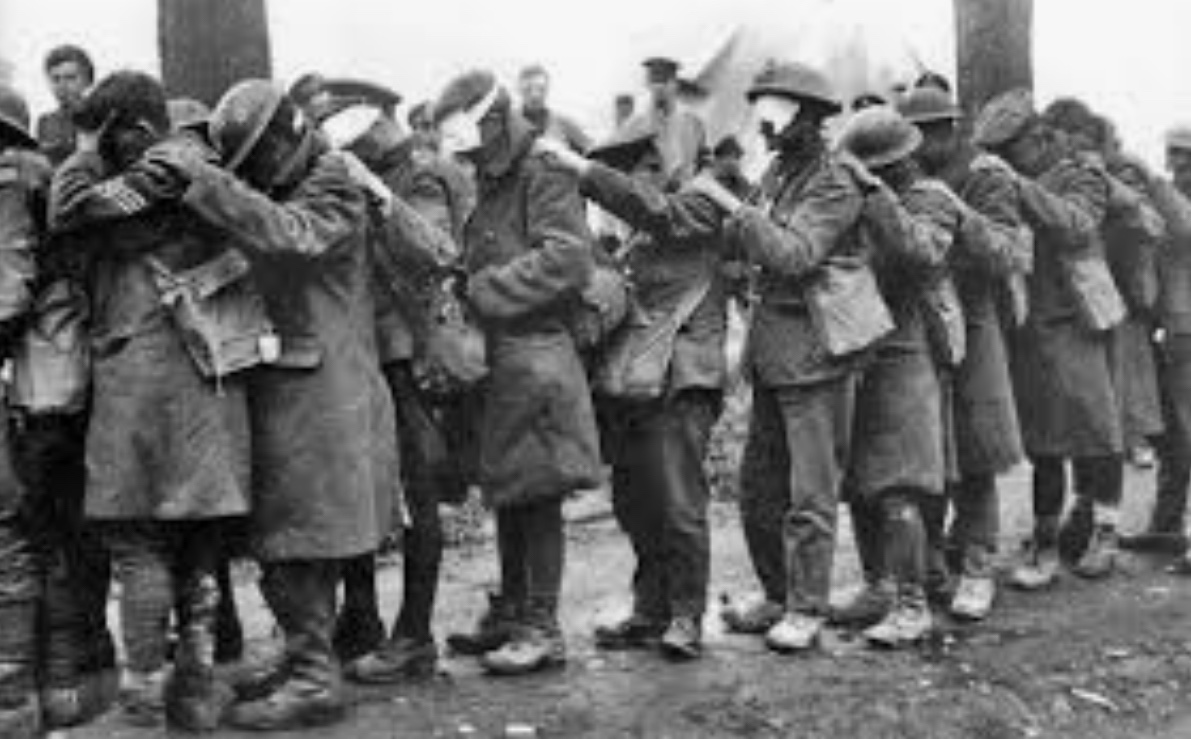
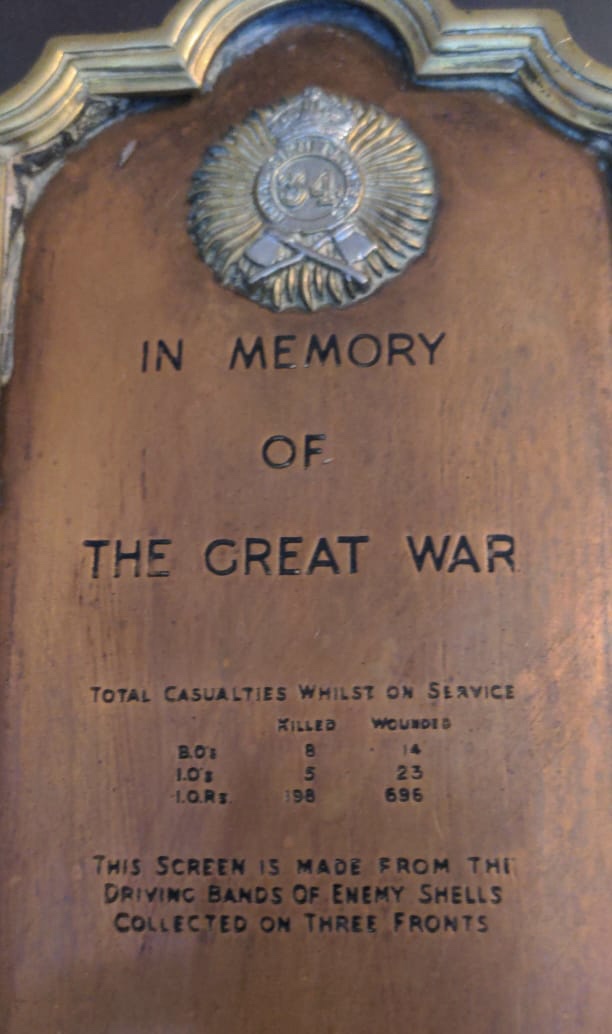
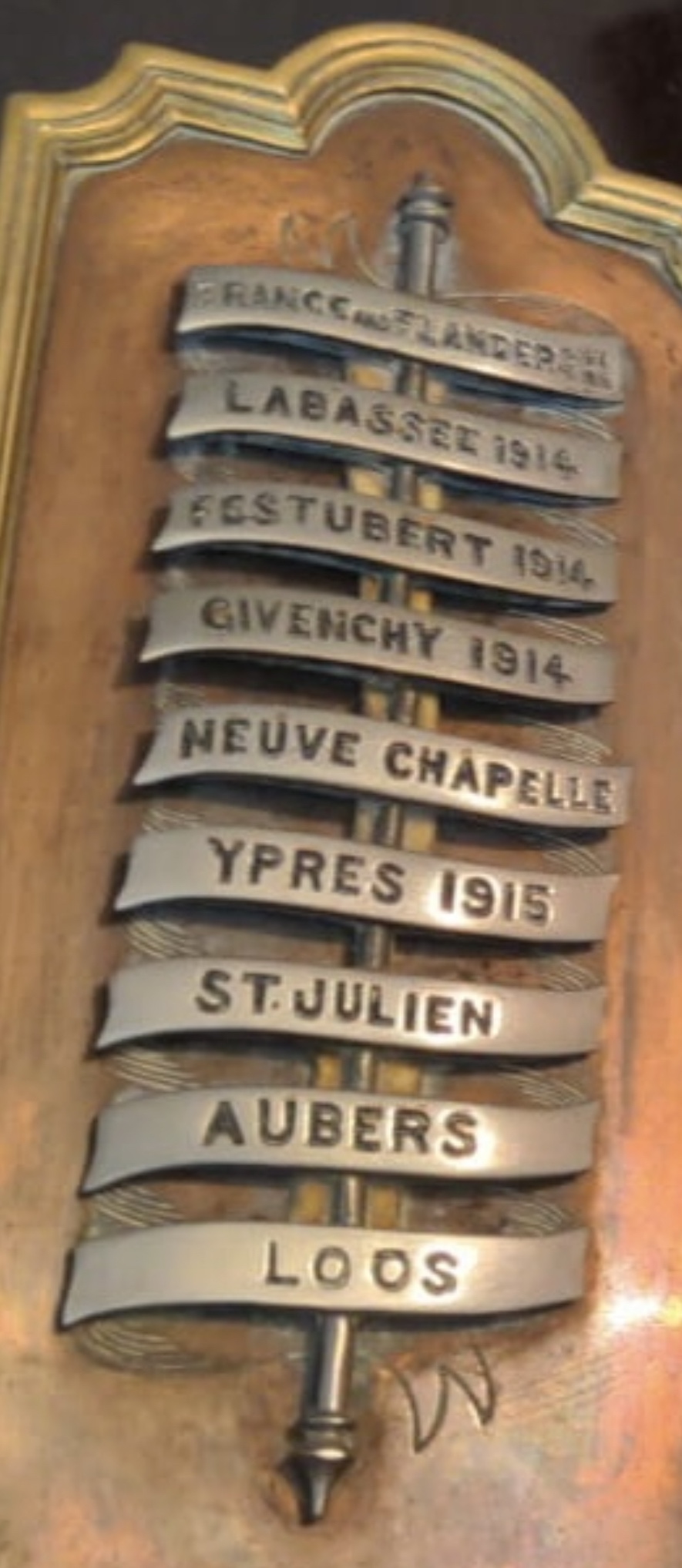
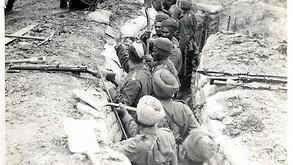
Part of Indian Expeditionary Force (34th Sikh Pioneers, Lahore Brigade), saw action very soon after landing in France (October 1914). As a specialized infantry regiment with expertise in engineering and construction in addition to being conventional infantry men, they quickly supported building and fortification of trenches, establishing communication lines and other infrastructure. Eager to fight, this was the first time these men from India were exposed to ‘Trench Warfare’. Needless to say, the conditions were deplorable! The trenches were mostly waterlogged; full of mud and slime that not only jammed their rifles but also caused them to develop ‘trench foot’ (and led to many a foot amputation). Add to that inclement weather for which initially they didn’t have proper protection (and they had to contend with their summer-grade Khaki uniforms, not ideal for European fall/winter weather). In addition, the trenches were filled with rats competing for their meager rations, and the soldiers had to endure instances of body-lice breakouts! There was the ‘Trench deadlock’ and to gain a few yards, each side of the warring factions faced each other across the no man’s land, and 24/7 launched repeated & aggressive trench attacks, saps and raids. This was aided by heavy artillery bombardment, constant bursts of machine guns, grenades and mortars attacks, arial bombardment and tanks ( although in their infancy), and snipers galore. Of the German armament, ‘Minenwerfers’ (mortar bombs) were the most dreaded. They were effectively used to clear obstacles, bunkers, barbed wires, parapets, sentry positions, etc., and once launched it could be heard coming and with it’s sound getting louder and louder as it approached and then exploded with great power creating a crater as big as a room! It’s psychological impact was so huge that ‘Shell-shock’ was officially recognized by the medical and psychiatric communities. As the war progressed there were even more fearsome weapons such as the ‘Flammenwerfer’ (Flamethrower) that threw/hurtled sheets of flame and smoke towards the trench soldiers and in essence burning them alive! Also, for the first time chemical warfare in the form of large-scale use of lethal poison gas where liquid chlorine was used (second battle of Ypres, 1915) followed shortly afterwards with mustard gas. Needless to say that despite such destruction and horrific conditions, neither side made any meaningful gain! Instead, both sides amassed massive and crippling casualties! Shrapnels, fragments, bullets, bodies and injured everywhere!

Having said that, the ‘Battle of Festubert’ (on November 23-24, 1914), was very pivotal for my ancestor and his regiment. According to Iain Smith (Sikh Pioneers and Sikh Light Infantry Association UK), it was the worst day for the regiment on the Western Front. They were told to take over the German trench at all cost! In the thinly manned Allied Line, the German attack decimated the 34th! 9 out of 12 British Officers were killed, wounded or went missing. Same happened to the men. Only the very experienced soldiers survived and they were instrumental in keeping the morale high and normal functioning of the regiment. One of those Indian officers was Indar Singh, and the regimental records show that he got promoted from Jemadar to Subedar on November 24th, 1914. Also the regimental effort and sacrifice was honored by the King and ‘Royal’ was added and thus the regiment was called the ‘34th Royal Sikh Regiment’. Very few regiments have been honored in this way. Also, at some point, he also received the Russian imperial order of St. Stanislaus (which was reciprocal award amongst the Allies). Plus, there has been a family story that has passed down thru the generations, that he carried his injured commanding officer (CO) 5 miles to safety. In my research, it so turned out that the men did indeed carry their CO Col. GHF Kelly 5 miles to be buried in the cemetery at Beuvry Cemetery, I am assuming my ancestor was one of those men!

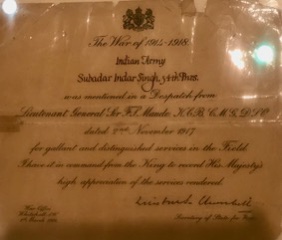
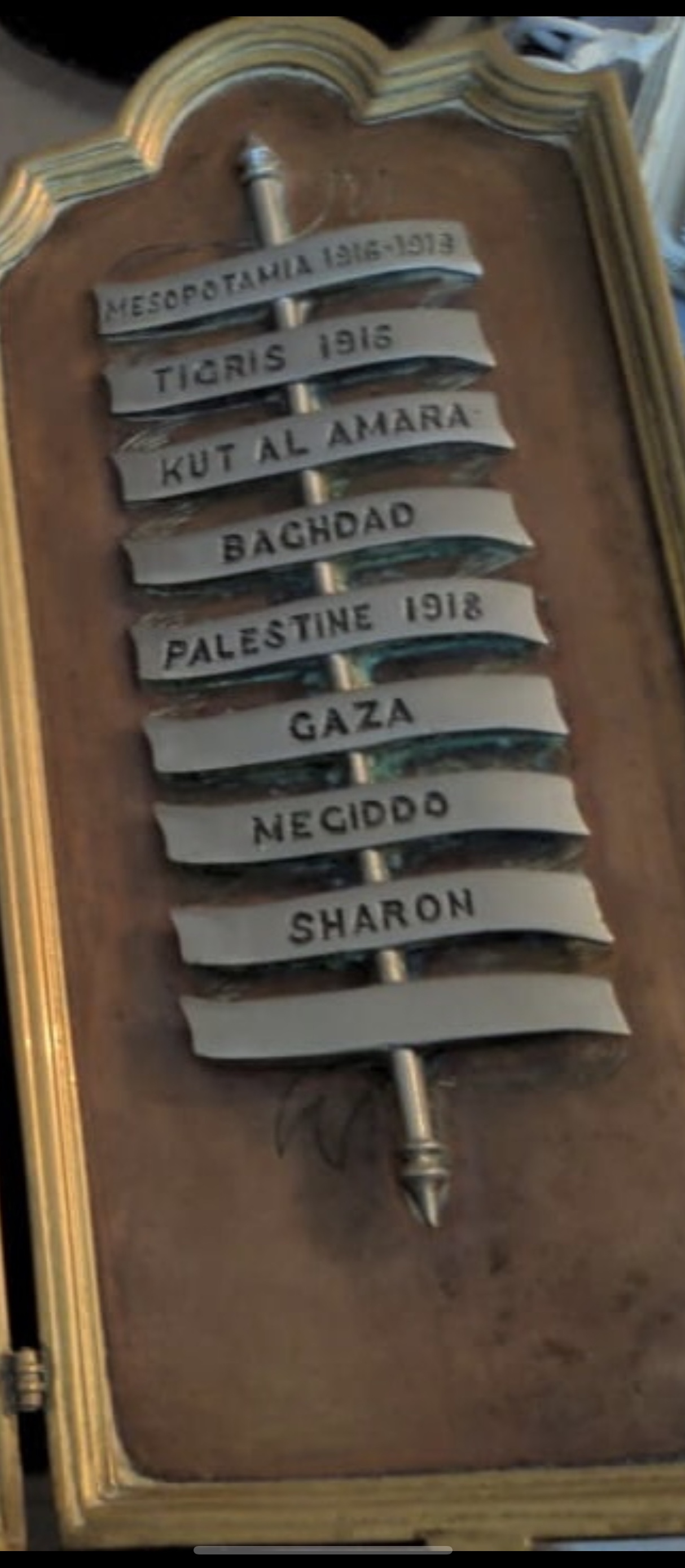
In 1917, the regiment was sent to Basra/ Mesopotamia to take part in the Ottaman empire offensive. During the ‘Battle of Daur’, General Maude mentioned him Despatch (November 2, 1917). In Kut Al Amara, he eventually got wounded with a bullet lodged in his spine. He was sent home as a war-wounded and soon afterwards, he succumbed from his war injuries during the second wave of the Spanish Flu (Oct-Nov, 1918)

Continue reading “An Overdue Remembrance: Indar Singh in Flanders and Mesopotamia. WW1”

Part 2: Anandpur to Chamkaur – Exodus, Battle and Aftermath

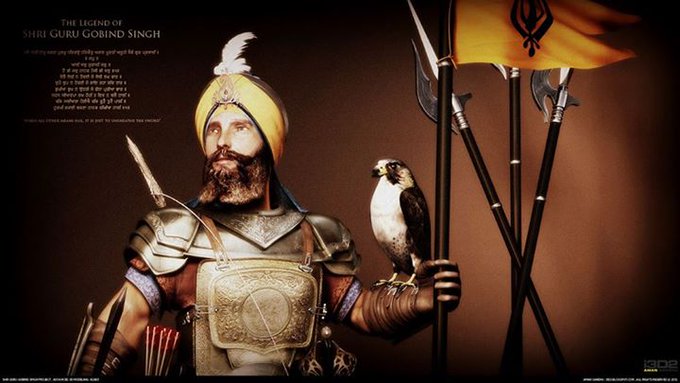
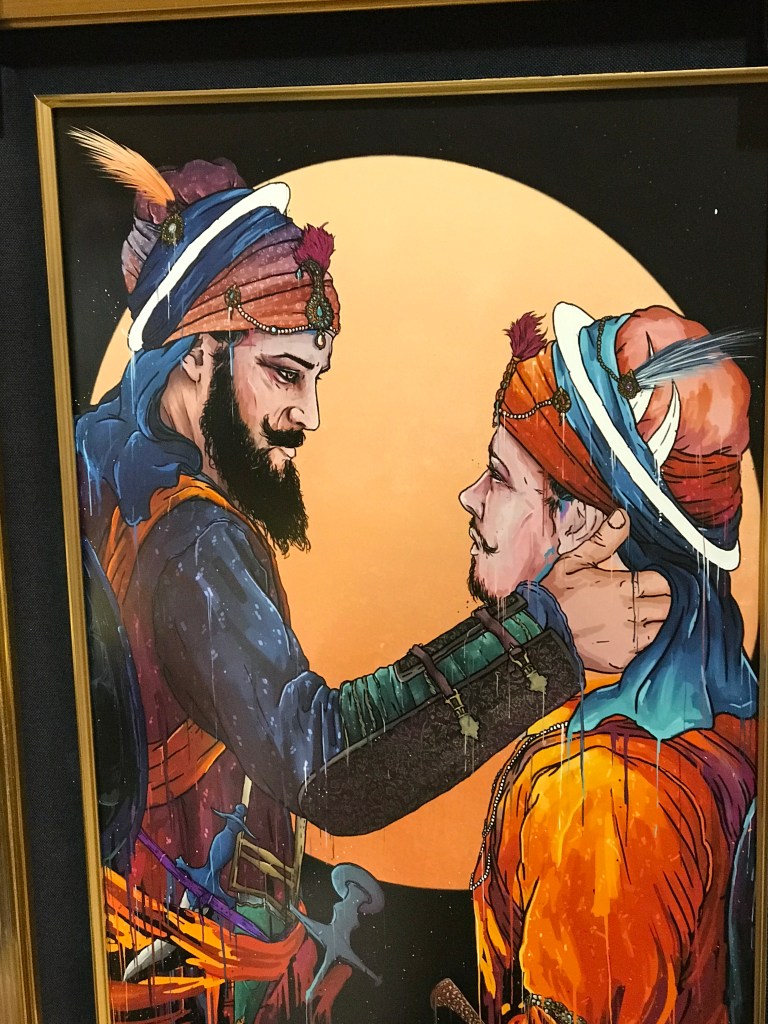
It’s an especially bitterly cold, rainy and wet December in 1704, when Guru Gobind finalizes his decision to evacuate Anandpur.  This resolve is not an easy one given waves of unrelentless enemy attacks, weakened state of his men (enfeebled from starvation due to the prolonged 8-month siege), and the unwavering resolve of Gur Sahib himself to rid the subcontinent of abject tyranny and subjugation of its rulers.  Evidently, Gur Sahib’s meteoric rise, his expanding popularity and growing political influence in the area, was very unpalatable and threatening to the ‘Pahari Rajas’ (Hill Chiefs of the neighboring principalities), and to Wazir Khan, the governor of Sirhind (a quintessential Mughal territorial center).  Therefore, to subjugate him, they repeatedly harass and ambush him (and his Sikh resistance), as witnessed by the battles of Bhangani (1688), Nadaun (1691), Guler (1696), Anandpur (1700 & 1701), Nirmohgarh (1702), Basoli (1702), 1st war of Chamkaur 1702), etc. 

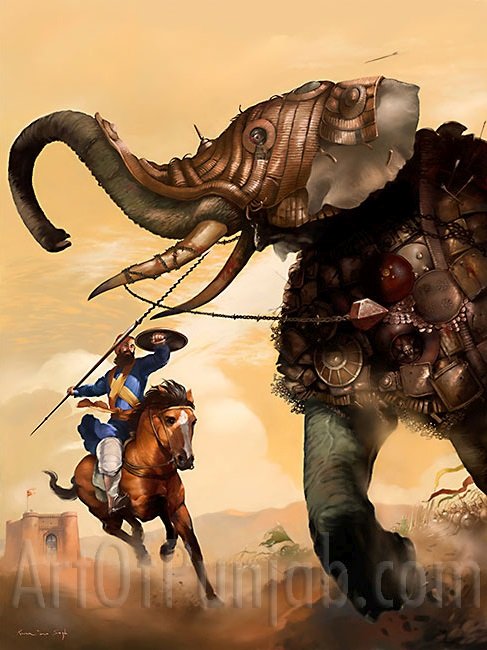
The final and full-on assault on Anandgarh Fort happened on May 20th, 1704. It was a formidable one!  A coalition enemy army, a million soldier strong, was assembled (contrived from a military alliance between Mughal forces from Sirhind, Lahore and Kashmir territories; troops of Pahari kingdoms from Kahlur, Kangra, Kullu, Kionthal, Mandi, Jammu, Nurpur, Chamba, Guler, Garhwal, Bijharwal, Darauli and Dadhwal; and tribesmen from Gujar and Ranghar tribes of Bajrur).  This gigantic army clearly had an unfair and disproportionate advantage; they began their assailment to annihilate the Khalsa bastion (about 4000 strong). Despite the enormity of the attack, the Khalsa were able to successfully engage and thwart all attempt of this herculean army. This tenacity, persistence and resoluteness of these unflinching defendants, led the syndicate to change their campaign to that of besiegement. Hoping to draw them out thru starvation, suffering and desperation, the burgh was barricaded, and all access to food & essential supplies were cut off. Simultaneously, they continued to provoke, hackle and exasperate them including unleashing an intoxicated elephant so that the Lohgarh gate, an iron gate of the fort, could be broken (that Bachitter Singh thwarted). Plus, capitalizing on Guru’s sense of honor, the Rajas falsely pledged their vow (that would allow Guru and his group to leave safely) on revered Hindu articles of faith (i.e., pious cow and ‘janeau’, the venerated thread). Gur Sahib fully aware that Pahari Rajas could not be trusted, demonstrated their insincerity (and fallacy of their oath) by masterminding a sham evacuation that was promptly attacked and plundered. Thereby exposing their true intentions and greed!

There were also calls for desertion and defection. The enemy publicized that whosoever rejected Sikh beliefs and proclaimed that they were not Guru Gobind Singh’s Sikhs, would be allowed to leave safely, unharmed! Some men from Majha, led by Mahan Singh, apprised Gur Sahib of this intention. Guru in return asked them to write and sign this ‘be-da’wah‘ (disclaimer of not being a Sikh). Upon receiving this deed, the Gur declared “From now on, you are not my Sikhs and I am not your Guru” and allowed them to leave. However, when they returned home, their women did not accept them and shamed them for their desertion and cowardice. Subsequently, they redeemed themselves in the ‘1706 Battle of Kidrana Lake’ (now Mukstar), where under the command of Mai Bhago, the great female general, they laid down their lives fighting valiantly for the Guru. Mahan Singh, breathing his last, begged Guru Gobind Singh for forgiveness, handed him the aforementioned ‘beda’wah‘, and pleaded to him to tear off that shameful statement (whereby allowing them to return to the fold of the Guru). Their martyrdom has a special place in Sikh annals as ‘Chalis Mukte’ (Forty Liberated Ones), and each time the Ardas (prayer of remembrance) is said, their sacrifice is recalled!

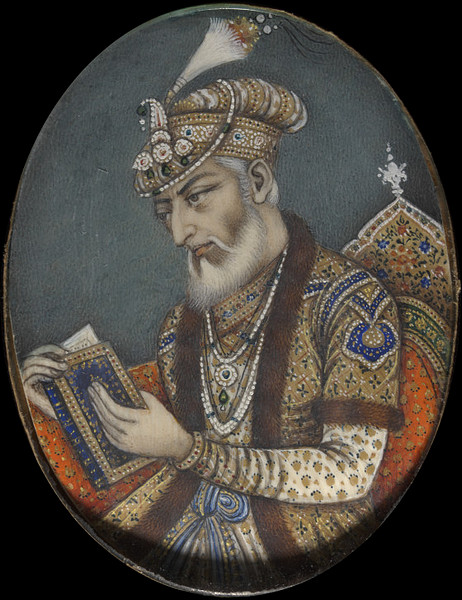
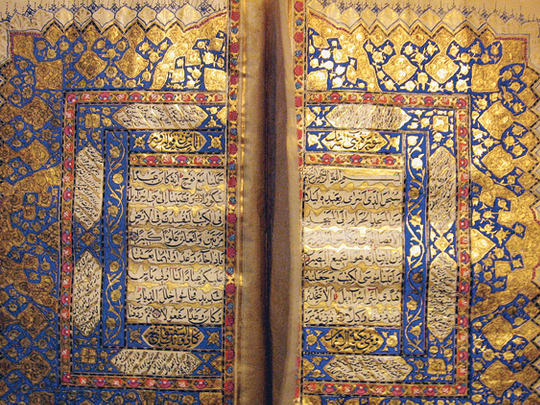
The eight months of beleaguerment concluded with the arrival of the ‘Shahi Parwan’ (a royal decree) from the emperor himself.  Inscribed and signed on the pages of the holy Quran, was the Aurangzeb’s covenant assuring protection and desire for a future meeting in Dina. Gur Sahib, compelled by the suffering and desire of his people, and against his better judgment and prudence, accepts this armistice.  Arrangements were made to evacuate the fort, heavy guns disbanded, certain weapons/equipment destroyed, and other relics and manuscripts burnt.  However, this consecrated pledge of the emperor, as envisaged by Gur Sahib, was also a ruse, a ploy and a cunning gameplay to draw them out.

This resolve to leaving Anandpur on December 20th is about to test the mettle, ideals and faith of Gur Sahib.  As soon as they left their bastion, they were pursued relentlessly by this huge opposing enemy.  At ‘Shahi Tibbi’ near Nirmoh (also called the Battle of Sarsa), a contingent of the Sikh armies engaged the armies of Wazir Khan and for three hours kept them at bay. Both sides suffered heavy casualties but it allowed the Guru and his retinue to reach the swollen Sirsa River.  Due to flooding, fast currents, and frigid temperatures (compounded by starvation and fatigue), few could only navigate the treacherous river. Even the Guru’s family got separated! Gur with his two elder sons (Ajit Singh and Jhujjar Singh) and 40 of his stalwarts, successfully maneuvered their horses and crossed the river.  Whereas, his two youngest sons (Zorawar Singh and Fateh Singh) and their grandmother (Mata Gujari), unable to traverse the creek, ended up in ‘Saheri’, the village of Gangu Brahmin, their trusted household cook.  So, with the imperial armies hot on their pursuit, the Guru’s entourage took refuge in a ‘Garhi’ (mud fortress) in Chamkaur (that was reknownrd for its strategic location).  This set stage for the epic battle (also called Chamkaur Di Garhi or Garhi Chamkaur Di), and it fulfilled Guru Gobind Singh’s famous proclamation- 

Chiriyan To Mein Baaz Laraun (I’ll Train the Sparrow to Fight the Hawk)

Gidran To Mein Sher Banaun (I’ll Teach Jackals to Become Lions)

Sava Lakh Se Ek Laraun (I’ll Prepare One to Fight Quarter Million)

Tabhi Gobind Singh Naam Kahaun (Then Only Can I Be Called Gobind Singh)

Guru Gobind Singh


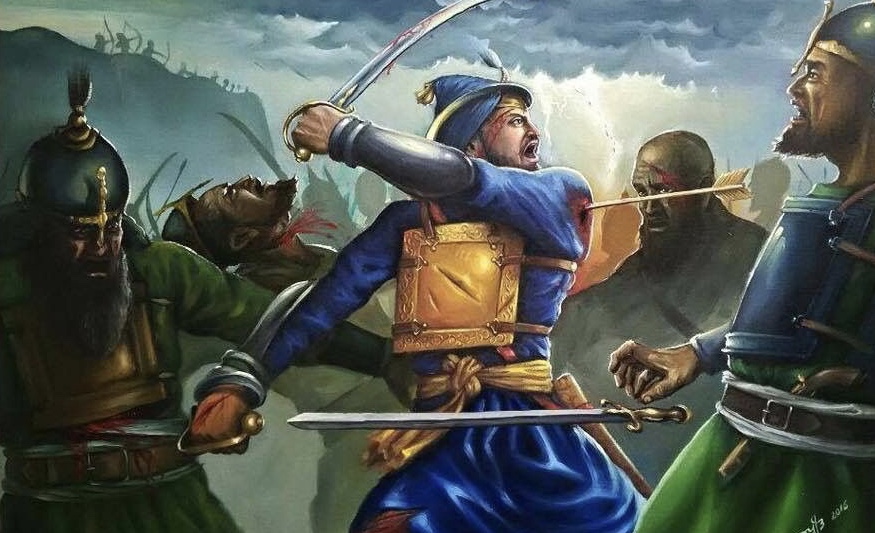
Against overwhelming odds, 43 surrounded by a million (yes, a million), every defendant knew death was inevitable! Also evident was that the ‘Garhi’ and its defenses would succumb under pressure of this imposing onslaught.  The Guru, already a warrior extraordinaire, a military genius and a meticulous war planner, readied his team for an intense combat.  He orchestrated and executed a well thought thru offensive that considered the weaknesses & limitations of the opponents, various types of weapons at hand, the diverse & advantageous tactical zones/areas, potency, energy & effectiveness of his fighters, etc. By daybreak, waves of five battle-ready and resolute stalwarts, despite ravaged and starved bodies, stuck enemy positions.  The element of surprise compounded by their lightning speed, military precision, purposive ferocity and unpredictability of the charge (from different directions), stunned the enemy.  This band of few, aided by Gur Sahib’s accurate and protective archery cover, wreaked havoc across enemy lines.  Plus, when the Sikh battlecry ‘Bole So Nihaal, Sat Sri Akaal’ (one who utters prospers, that timeless God is the truth), along with the salutation ‘Waheguruji Da Khalsa, Waheguruji Di Fateh’ (pure souls belong to God, and victory is always of God), reverberated in the air, stuck terror and paralyzed some enemy planks.  This strategy worked and this colossal army was not able to trounce them the entire day.  The valor, gallantry and resolve of the Khalsa was in full display, and not only did they die fighting till their last breath but caused heavy casualties across enemy lines.  Two outstanding and magnificent martyrs that day were Gur Sahib’s own children, his eldest sons – 17 years old Ajit Singh and 14 years old Jhujjar Singh.

By nightfall, it was very evident that with only a handful of Sikhs left, that both the Fort and Khalsa defenses would fall the following day.  This is when the faithful invoked the covenant of ‘Panj Pyare’ or Five Beloved. This pledge of collective authority given to ‘Five Sikhs’ was specified by Guru Gobind Singh himself in the 1699 initiation of the Khalsa ceremonies.  While forming the new order, Gur Sahib declared “wherever five Sikhs of mine congregate, they shall be the highest of the high. Whatever they will do, will carry the authority of the Khalsa”, and this jurisprudence also applied to him as the sixth Khalsa initiate! Therefore, the Guru had to abide by the command and edict of the ‘Panj Pyare’ and they mandated him to leave Chamkaur, with the instructions to resurrect the Khalsa so that evil and depravity of the Turk rulers could be uprooted.  It is said that before leaving, the Guru Sahib announced his departure by bellowing “Sat Sri Akal” (Eternal God alone is the truth), blew out the torches of enemy camp via his precise arrows, and clapped his hands a few times and said “Peer Hind Rahaavat” (holyman of Hind is leaving). Eventually, when the adversaries took over the Fort, to their chagrin they were unable to capture the Guru – dead or alive!

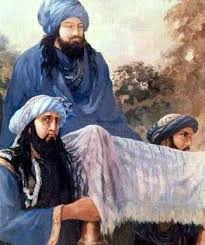
In the meanwhile, Gur Sahib slipped into the jungles of Macchiwara. While wandering there, he wrote one his very poignant shabad (hymn), ‘Mittar Pyare Nu, Haal Muridan Da Kehna’ (To my friend beloved, how do I state the condition/problem of your disciple), in which he expresses his gratitude to the Divine despite the suffering and hardships. As the Guru made his way to Dina (with enemy forces looking high and low for him), he was helped by two of his ardent Pashtun followers, Ghani Khan and Nabhi Khan.  They disguised him as the ‘Uch Da Pir’ (an exalted Sufi master) from Multan and carried him on palanquin, with the front manned by the Pathan brothers and the back by his followers, Daya Singh and Dharam Singh. Thus, they cleared all check-points and orchestrated the great escape! 

Taren Kaur’s rendition of ‘Mitra Pyare Nu’ Shabad
Nusrat Fateh Khan’s ‘Mittar Pyare Nu’ Shabad


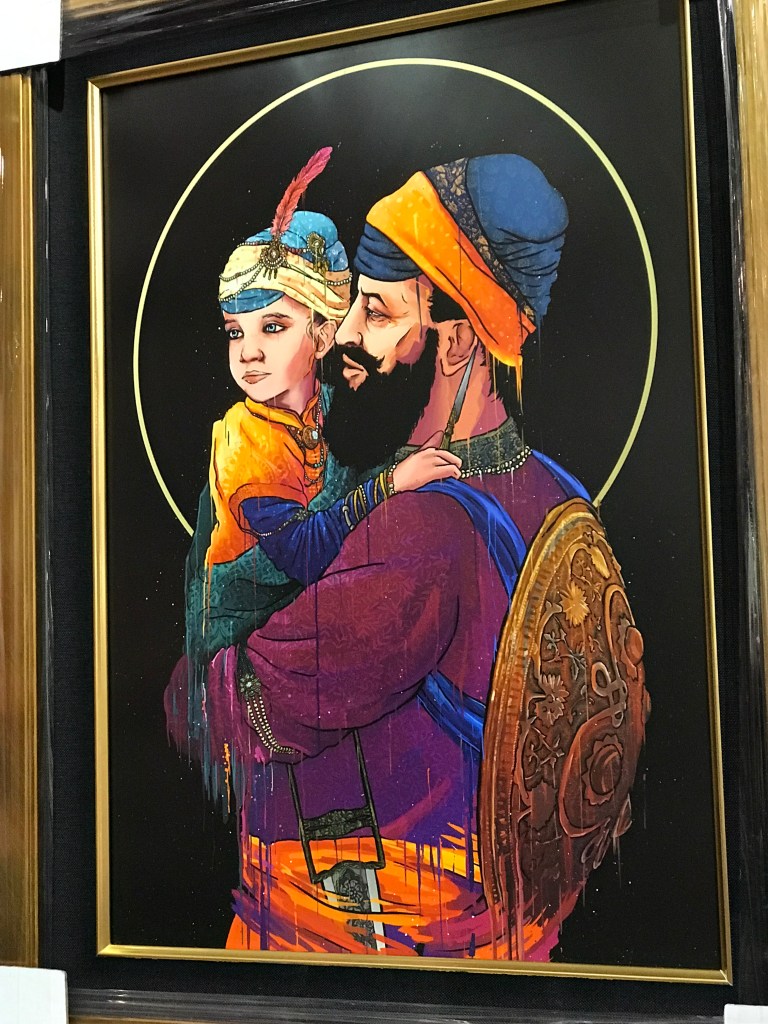
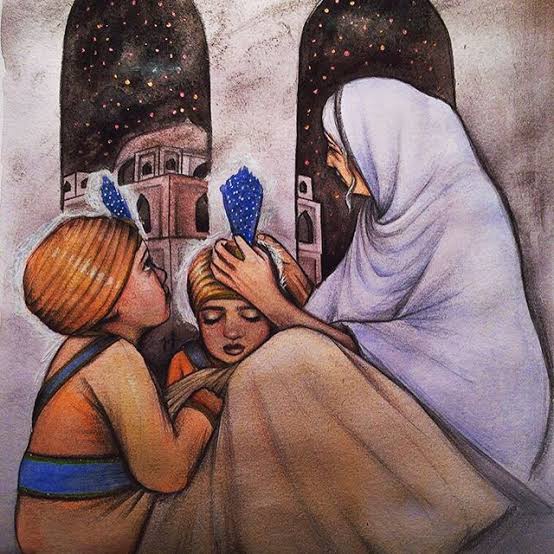
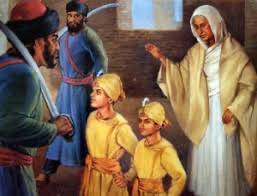
Meanwhile, unbeknown to the Guru, his mother (Mata Gurjari) and his two younger sons (8 year old Zorawar Singh and 6 years old Fateh Singh), who got separated from the larger group during the exodus out of Anandpur, were tricked into going to the village of ‘Saheri’ by Gangu Brahmin, their trusted household cook. Gangu deceived the family for a few gold coins and jewelry they were carrying (and for any Mughal bounty or awards this notoriety would bring). They were arrested and handed over to the Mughal Faujdar of ‘Morinda’ and eventually to Wazir Khan, the Nawab of Sirhind. In Sirhind, in the thick of winter, they were first imprisoned for seventy-two hours in an especially cold prison called the ‘Thanda Burj’ (Cold Tower) and thereafter the two minors were put on trial. Wazir Khan, having returned empty-handed from the battle of Chamkaur, wanted a full-on revenge! During the proceedings, the children were offered reprieve and gifts if they embraced Islam and converted into muslims. The children refused, and for their defiance, the tribunal ordered the children tortured and entombed alive!  It is said that Sher Muhammad Khan, the Nawab of Malerkotla, openly protested this callous, unjust and cruel punishment. Whereas, Diwan Sucha Nand, another courtier, persuaded the Governor to carry out the verdict by quoting a Farsi poem by ‘Firdaus’ that, snakelets will become snakes, wolf-pups will become wolves, and these children of the Guru are like the snake neonates who will surely grow up to become a serpent just like their father, thereby, no mercy be shown to them.

So with their fate sealed, on December 26th, 1704, they were then bricked alive! It is said that when the wall was being built around them, the ‘Qazi’ (priest) again offered to pardon them if they converted, but this offer too was spurned by the minors. In the end, the wall failed and the minors were executed with the sword. When the news of their death reached their grandmother (Mata Gujari), she breathed her last upon hearing of this savage and inhumane death that was inflicted upon these innocent children. So in a span of just a few days, Gur Sahib had lost his entire family. The news of their tragic and gruesome deaths (including his mother’s demise), reached him only when he reached Raikot. Rai Kalha, the muslim ruler of Raikot, was Gur Sahib’s ardent devotee and he dispatched a messenger to Sirhind to enquire about the family’s whereabouts. When the messenger returned with this agonizing news, Gur Sahib showed great grace, serenity and stoicism despite his unsurmountable loss and unimaginable grief. Here, he also prophesied the end of the Mughal empire and Turk lineage in India.

Coming Next Part 3: The Rebuke…

Celebrating Captain Bhagwant Singh: From Michigan to Burma WW2

Capt. Bhagwant Singh Grewal

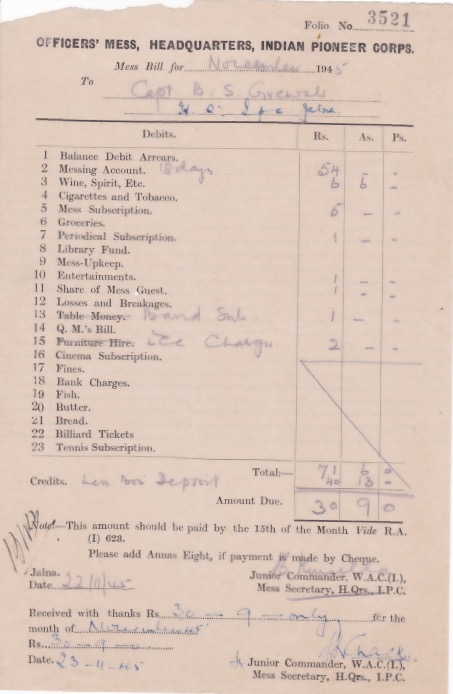
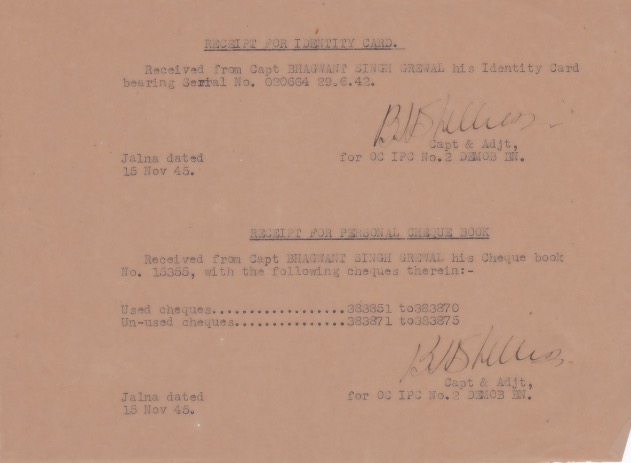
As the world celebrates the 75th Anniversary of the VE Day marking the end of WW2, I want to pay homage to my ancestor, Captain Bhagwant Singh Grewal. As an officer in the Indian Pioneer Corps, he is credited for constructing the emergency airport at Imphal, and shortly thereafter, he came under heavy bombardment of the retreating Japanese on the Burma front. At first, he was presumed dead (and the family informed of his missing-in-action status), he was eventually located at the Military Hospital in Jalna (near Pune/Poona) with severe head injuries. During surgery, parts of his ruptured cranium was removed and replaced with a platinum plate. Once he recovered, his medical category was permanently downgraded and sent home for his disability (war-wounded). Although all his life he had to deal with episodes of disabling seizures and headaches (for which my mother recalls, he had to be given sulphur pills and never left alone), he actually lived a full and long life. On February 5th, 1973, he passed away at the ripe age of 75 years.

His life story is very engrossing and captivating. An only child, he was born on 18th August 1898, to Bhagwan Singh (Nazim of Nabha State) and his wife Narain Kaur (of Mansa Sardars). Although my mother doesn’t remember much about his childhood or where he did his basic education, she does have knowledge that he attended Khalsa College Amritsar. While studying there, he also persisted thru the Jallianwala Bagh massacre (which he and his fellow students survived only by laying flat, staying still, and then eventually scaling the walls in the wee hours of the night). Thereafter, on 5th December 1919, he got married to Chitwant Kaur (nee Sangha), daughter of the Nazim of Patiala state. The story behind their betrothal is also fascinating! It turns out that there was a judgment handed out by the Nazim of Patiala State that was delivered to the Nazim of Nabha state, and at first the penmanship of the Patiala Nabha impressed the Nabha Nazim, but when the latter found out that the beautiful handwriting was that of his daughter, my ancestor promptly sent a proposal so that both their children could be married. My mother states that her grandfather used to say that a refined and educated mother will ensure that future generations value education and learning. However, this was not an easy feat, firstly because of the inter-royal rivalries between these two Phulkian states, and second, because the Regent of Patiala was a known philanderer, so getting permission to allow for this inter-state marriage was impossible. This was achieved by the wedding ceremonies conducted in Ludhiana (Bhadaur House) and away from the politics of both royal states.

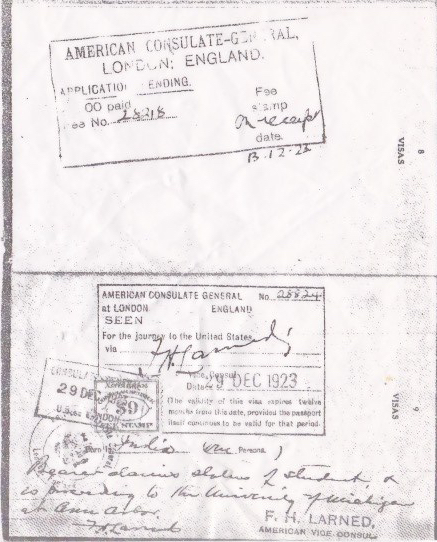
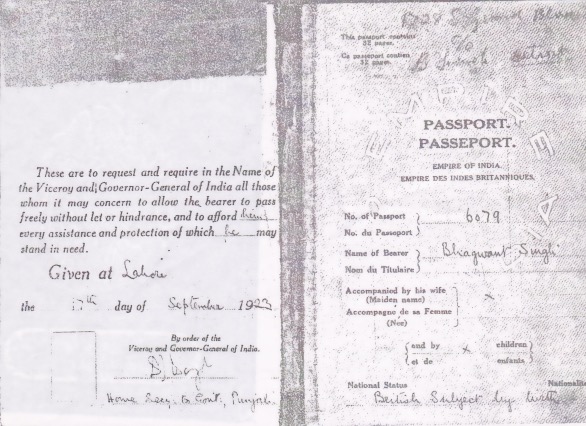
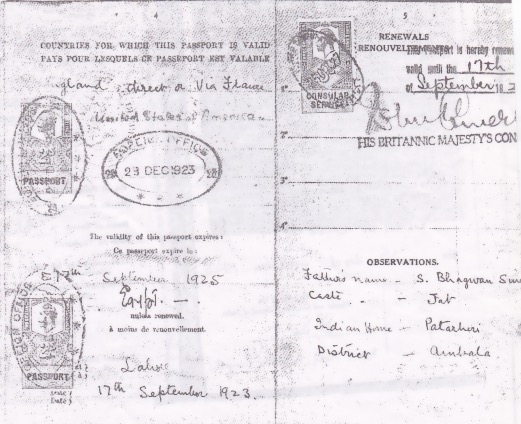
Then in 1923, after the birth of my aunt, my grandfather went to Ann Arbor Michigan, to study mechanical engineering. While at there, he actually meets Henry Ford in a ball! Mr Ford very impressed and intrigued by his turban, stuck a conversation, and asked my grandfather to look him up when he finished his education. The family narrative is that he worked with Henry Ford for a short period, who then offered him the position to be the General Manager for Ford Motors for Southeast Asia (based out of Bombay). Although he agreed, the family was not very happy about it because the general attitude of Indian society those days was that with independence came bad habits (due to lack of family’s checks and balances). So they had another plan waiting for him! His father had contacted the Viceroy of India and a military career awaited him! He enlisted in the British Indian Army as a permanent commissioned officer, and joined the Madras Sappers and Miners regiment. It was tantalizing to learn from my Uncle that he was also trained to be a cipher and the only India as a core member of thee war operation office in India. However, when there was a troop movement leak, the suspicion fell on him as being the lone Indian with high security access to secret operations and classified information. Needless to say, he was suspended till all investigations into the matter were concluded. In due course, it was discovered that one of the British secretary, excited that her boyfriend was on one of these deployed ships, inadvertently disclosed this information while inebriated in the bar. My grandfather was reinstated, but these events were distressing to him so he asked for a change of branch. Being an engineer, he then joined the ‘Indian Pioneer Corps’ (as a commanding officer) and that’s how he ended up on the eastern border and in Burma.

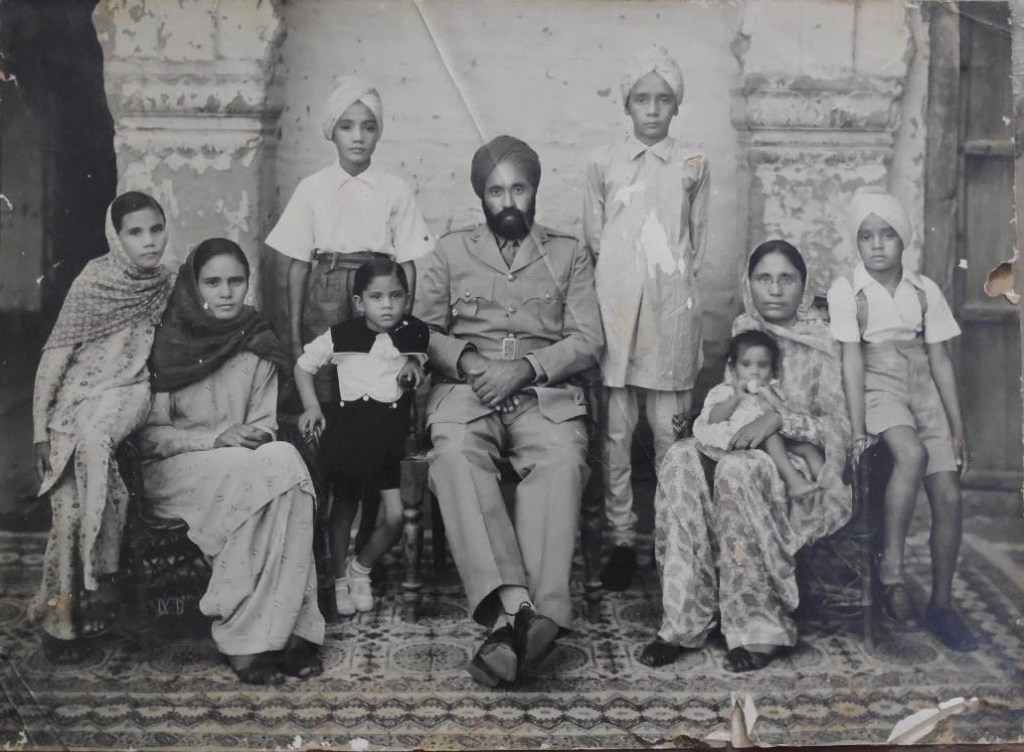
My Grandparents with all seven children
From Left: Beant, Kuldip, Swaroop, Gursharan, Bharpoor, Birinder and Satwant (my mother, on the lap)

All together, he had quite a life! Only regret I have (and its a selfish desire) that I wish my mother was not the youngest child and I could have really known him. Nonetheless, I am very glad that my mother is quite an historian & record-keeper, and she (over the years) has shared so many cherished stories and anecdotes that I feel that I really do know him – his likes/dislikes, his character traits, and the kind of person he truly was. For that, I am ever so grateful!

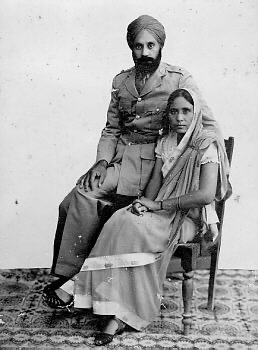
Bapuji and Beji

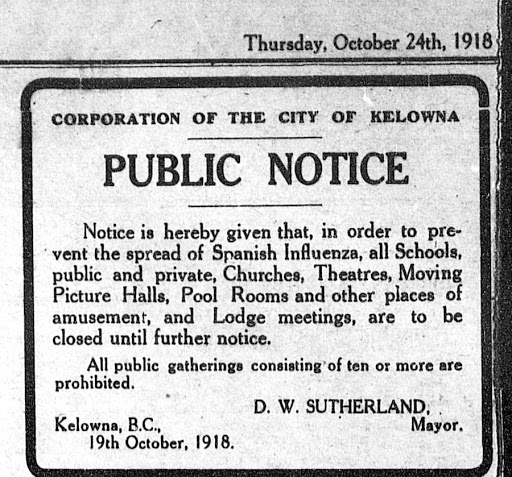
Two Pandemics: An Interesting Parallel (WW1)

There is no doubt that the current global COVID-19 health crisis is fluid, perplexing, dramatic, unsettling, paralyzing, and all-consuming; with countless images and data of people hooked up to ventilators or in body bags, healthcare workers & first responders in full PPE, (exhausted in some cases), deserted and empty streets, masked and gloved people and officials, rumors of shortages, etc., are omnipresent 24/7, in all news outlets, social media, concerned welfare calls, expert opinions and analysis, governmental or public health briefings, in unemployment numbers, in obstructed routines, etc.  Although some details are useful and informational, inspiring and even funny, but mostly forbidding, confusing, and conflicting! What’s confounding is the level of disruption, uncertainty, unpredictability and paranoia that prevails.  I wonder why our emotions are so heightened this time around?  Doesn’t the seasonal Flu kill more people annually?  What about more deadlier outbreaks like Swine Flu, SARs, MERs and Ebola, haven’t they become somewhat unmemorable & an illness of the past? It’s odd how we are indifferent and unconcerned to some maladies, yet so irrational and fearful of others?  Is it because its novel (no pun intended) & unfamiliar, and we haven’t developed any coping mechanism for? Or is it more innate and is triggering our reptilian brain and our instinctive survival mechanism?  Could it be even more primordial, perhaps it lays bare the cosmic truth about death, that we ultimately are not in control of how and when we die?

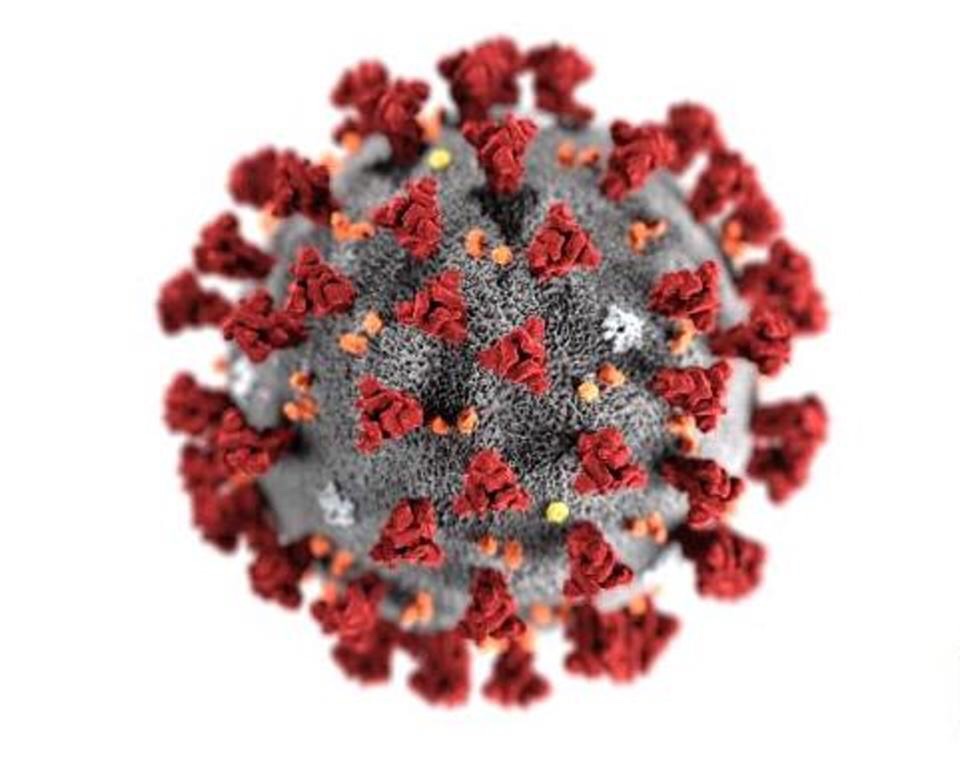
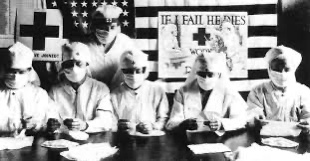
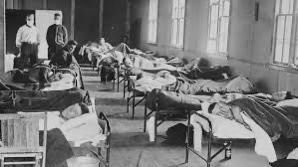
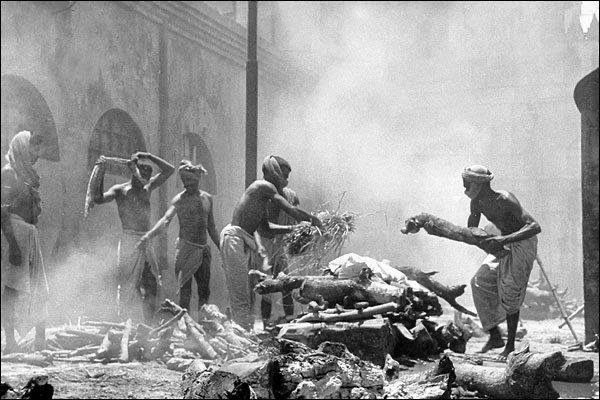
Also, what’s uncanny is the similarity that exists between ‘COVID-19’ crisis and the ‘Spanish Flu’ Influenza’ outbreak from only a 100 years back!  Both respiratory diseases (one coronavirus and the other H1N1) are so analogous that barring the period attire, one can easily swap pictures, posters and advice, and in my opinion one wouldn’t even know the difference!  Also, now overhearing my father, recount over the phone for his friends, the suffering from fall/autumn of 1918-19, as shared by Manji (his beloved grandmother who also lost her husband to this affliction within a short span of returning home to recuperate from the injuries to his spine that he sustained fighting in WW1), I hear him say, “Manji said there were so many deaths, when you returned from one funeral, the next funeral would be ready for cremation”.  I was stunned by this revelation and the poignant, sobering and soul-stirring picture these works painted, that are also so reflective of what we are seeing with the disturbing COVID-19 scenario!  Unfortunately that was the reality of the times and a common suffering, misfortune and depravity that many people and families share globally. I also noted that he called the infirmity ‘Katak di Bimari’ or ‘Illness of Katak’ (Katak, in Punjabi is the eighth month of the Desi calendar, 30 days long, with the first day falling on October 15th and the last day on November 13th), which my father later clarified that because there was absence of formal education and even lack of English language knowledge in the masses, perhaps Manji (and the locals) described this pestilence in Punjabi dialect which they were familiar & comfortable with, and one which made sense to them.  

As I further my research into the perils of ‘Spanish Flu’ in India, I am finding that although it is very well pictorialized in the West, photos from Indian subcontinent was hugely lacking. This felt odd given that Indian deaths accounted for 1/5th of the 50 million deaths worldwide!  Also, India had a large contingent of soldiers in WW1 and in the epicenter France where this disease broke out, what was I missing?  I know experts called it the ‘forgotten pandemic’ and it certainly seemed true from the Indian experience. Also now that are read these two write-ups – 1) Arnold David’s paper titled ‘Death and the Modern Empire: The 1918-19 Influenza Epidemic in India’,  where he states that “the impact of the disease was overshadowed by the prior encounter with bubonic plague, by military recruitment and the war, and by food shortages and price rises that pushed India to the brink of famine”, and 2) Angana Chakrabarti’s article “102 yrs before COVID-19, India braved The Bombay Fever pandemic that killed over 10 mn’,  she calls ‘Spanish Flu’ ‘Bombay Fever’ or ‘Bombay Influenza’!  I wonder if the depravations that existed in colonial India were so grave that people didn’t see ‘Spanish Flu’ as a distinctive disease and also the various colloquial names used to describe the disease takes away from knowing the true human tragedy in India?  While we ponder on this, there is no doubt that Spanish Flu came to India in three waves (like the rest of the world), mainly – 

  1. The first wave manifested in May/June 1918 in the dock workers at the Bombay port.  It lasted about 4 weeks and devastated Bombay (or Mumbai) and which the local British health officer, J.A. Turner, professed at the time “it came to Bombay like a thief in the night” (Chakrabarti, 2020).  Symptoms reported were fever, bone pain, bronchial inflation, congestion, eye pains and a general feeling of malaise.
  2. The second wave, the most lethal & fatal, targeted young men between ages of 20 to 40 years old (of which my aforementioned great-grandfather was one of its fatalities), came to India and Punjab in September 1918 and lasted till December 1918.  
  3. The third and final wave came in 1919.

In closing, although it’s unknown with COVID-19, what the next few days, weeks or months are going to look like, or how it may show up in history’s storyline & timeline, I am confident in the human spirit and its resilience.  Also, history is witness that mankind has overcome many endemics, epidemics and pandemics, so certainly we will prevail over this too.  For now, please head the warnings of the experts, wash your hands, and stay safe.  

References –

The Medal Mystery Solved: Indar Singh and the Oder of St. Stanislaus (WW1)

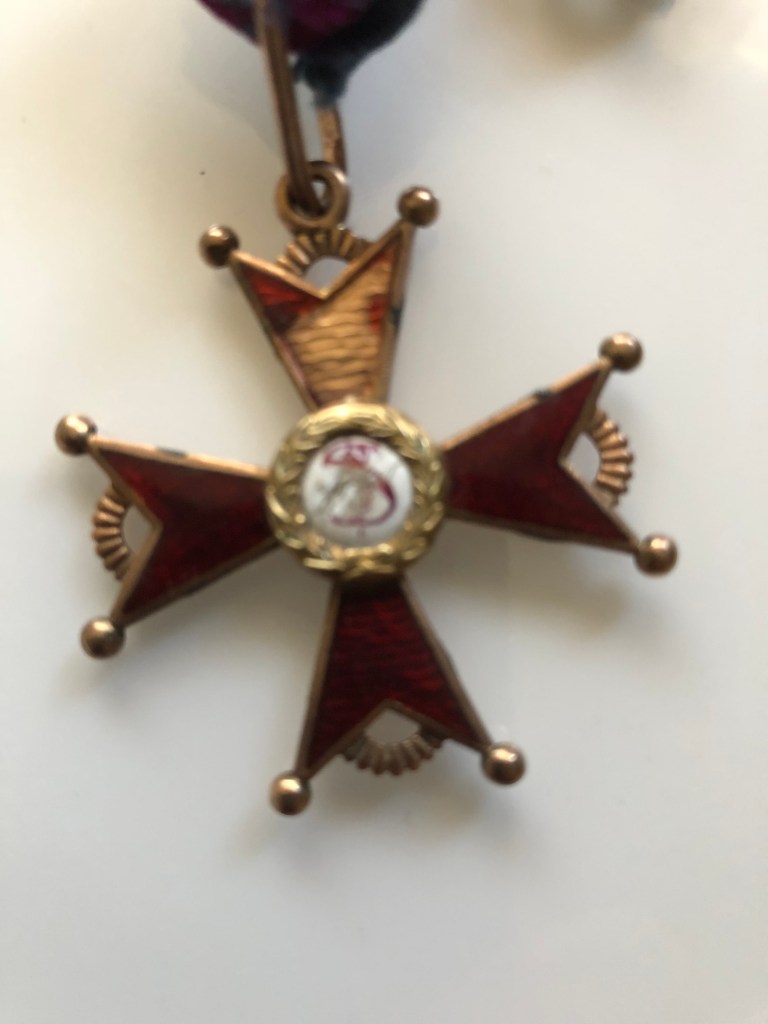
I had a conundrum with one of my ancestors’ medal.  At first glance it is an inconsequential, flimsy medal; a red enameled cross with a ceramic white center with the letters SS surrounded by a gold wreath of sorts.  It doesn’t resemble any known British campaign medal of the time.  Plus, I hypothesized, given its lackluster and diaphanous quality, it to be an insignificant regimental honor given for a sporting competition or some leisure activity.  So you can imagine my astonishment and disbelief when my friend Tejpal shared it to be the Russian Imperial medal ‘The Order of St. Stanislas’ (Orden sv. Stanislava, Орденъ Св. Станислава).  A medal of great historical significance and quite a collector’s item!  
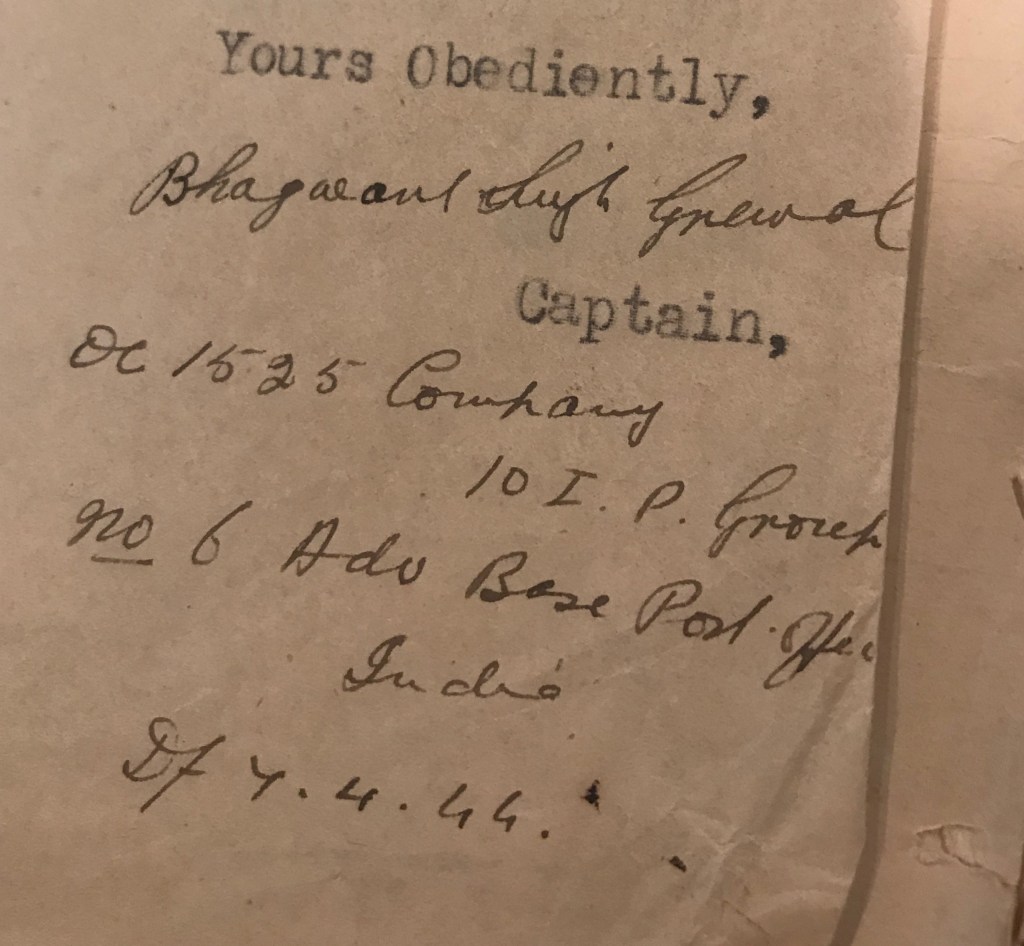
Wait.  What? A dynastic Russian award from the times of the Tsar/Czar!  What? How did my ancestor, an Indian soldier of the British-Indian army, ever get such a decoration?  In what way would he have had contact with any Russian?  As the name of the ancestor is not inscribed on the medal, could it be from Babaji Sawan Singh’s 2nd Afghan war times which was fought to drive Russians out of Afghanistan?  Or was it from Babaji Indar Singh’s generation when Russian empire was part of the ‘triple alliance’ on the Western Front?  It so turns out that during the First World War about 350 ‘Orders of St Stanislas’ were awarded to British and Indian troops!  Iain Smith, my connection from the UK based ‘Sikh Pioneers and Sikh Light Infantry Association’, stated that “at the end of the war, the Allied states made a point of making reciprocal awards of medals to their fellow Allies. You often find lists of medal awards in the London Gazette with British and Indian soldiers receiving French, Belgian, Serbian, Romanian or Russian medals. You are very lucky still to have the medal”.

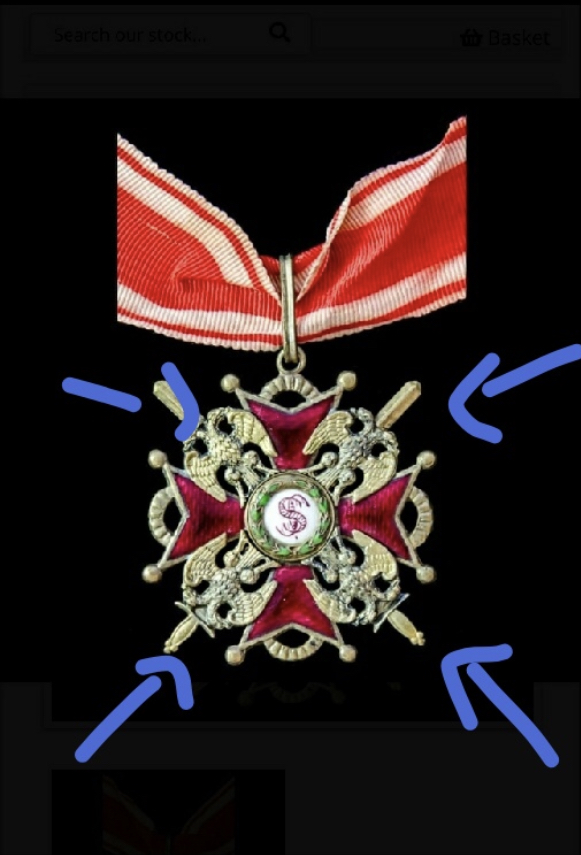
Hold on.  When was the Russian Revolution?  Wasn’t the Russian imperial family deposed in 1917 (while the Great war ended in 1918)?  So, was this awarded under Czar Nicholas II’s reign or by the Russian provincial government that took over when the Czar abdicated?  Although, getting my head around Tsar Nicholas II, ’House of Romanov’ or ‘Lenin’s Bolshevik Revolution’ was overwhelming but it really brought history to life!  Now those boring and monotonous classes of world history (and historical events) had context and connection. Wow!  By now you must be wondering.  What is this award?  From my research it appears that this royal decoration has origins in Poland where it was awarded for ‘chivalry and exemplifying christian virtues’. Then sometime in 1831, it entered the Russian honor system and was given out to both military personnel and civilians for their distinguished service.  In 1844, after undergoing a few revisions and redesigns ( including splitting it into 3 classes), it started to be given out to non-christians as well.  It remained in place in Russia for some time in 1917, when the ‘Provincial Government of Russia’ came into power after the abdication of the Czar.  However, once the ‘Bolsheviks’ took control, all imperial and dynastic award were suspended and discontinued.  The original medal as it would have been awarded to my great grandfather would have been a ‘Bath’ cross with four double-headed eagles (representing the Russian empire) with swords at each angle (all made of gold), with a circular wreath of green laurel holding the white enameled medallion with red SS in the middle.  Plus, it would have been finely crafted in the workshops of highly skilled goldsmiths, silversmiths and enamelers!  

In closing, although, ours is a denuded medal that is stripped of its decoration of gold crown, eagles, and swords (perhaps for its extrinsic value), it is a magnificent reminder of my ancestor’s valor, heroism, sacrifice, and for being brethren in arms in the trenches of an awful war.  It tells of a tremendous story of resilience in the battlefield for which he was recognized by a foreign sovereign/government.  What an exquisite and priceless piece of history which I will cherish all my life!

Other Interesting stuff –

  1. Our medal has a mismatched ribbon! For some reason, a family member swapped out the ribbon with the one from 1911 Delhi durbar.  Hopefully, I can correct it in future once I procure the correct ribbon.
  2. Did you know historians did not chronicle WW1 records until 1922 (4 years after the war ended)?  Therefore, they may have failed to properly document the accounts of Indian soldiers especially the ones who perished before the war records were tabulated.  Thus my great grandfather’s story in an incomplete one! (Thank you Tejpal for this information

References – 

http://www.theaerodrome.com/medals/russia/osts.php

http://www.worcestershireregiment.com/wr.php?main=inc/a_foreign_russian

http://nicholsonadvisory.com/imperial-royal-order-of-st-stanislas

Independence of India: Partition, Family Exodus and Being Refugees

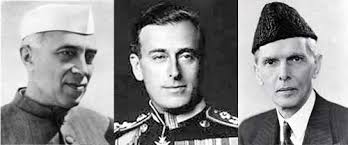
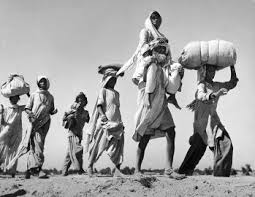
This weekend my father was interviewed for the ’1947 partition archive’ by Dr. Sufyan Siddiqui and his lovely wife Lindsay Eriksson-Siddiqui.  They were a delightful couple who came all the way from Denver to videotape my father’s recollections of life and events before-, during- and after- the partition of India, that saw the creation of two independent countries on religious lines (Muslim-Pakistan and Hindu-India).  Nehru Jinnah MountbattenThis decision to split India by the British (Mountbatten), Indian National Congress leaders (Nehru, Patel) and Muslim League (Jinnah) triggered one of the bloodiest upheavals and the biggest mass-migration of humans in modern times.  I characterize it as a unspoken genocide/holocaust, as growing up,  it was not something that was taught in the school curriculum, one didn’t see documentaries or shows pertaining to it, not much seemed to be written about it in popular media,  as a matter of fact neither did the government or national leaders talk of it.  However, it was omnipresent and always in the background of the families who went thru it and was often talked about to us by our grandparents regarding how life used to be before, the people, friends, customs, what they lost, the travel to India, the hardships, etc.  So, my family and I are very thankful to Sufiyan and Lindsay who volunteered their time and effort to document my father’s version of events that sheds light to a common misfortune both these countries suffered.   Amazing part for me was how much my father remembered given that he was a toddler of 4 years old at the time of partition, perhaps too you to recall the events.  In talking to Sufiyan & Lindsay, we realized that humans tend to remember traumatic events that they witness irrespective of age.  Although I will try to post the interview if allowed, in the meantime, following is what I was able to capture of his recollections –

Pre-Partition

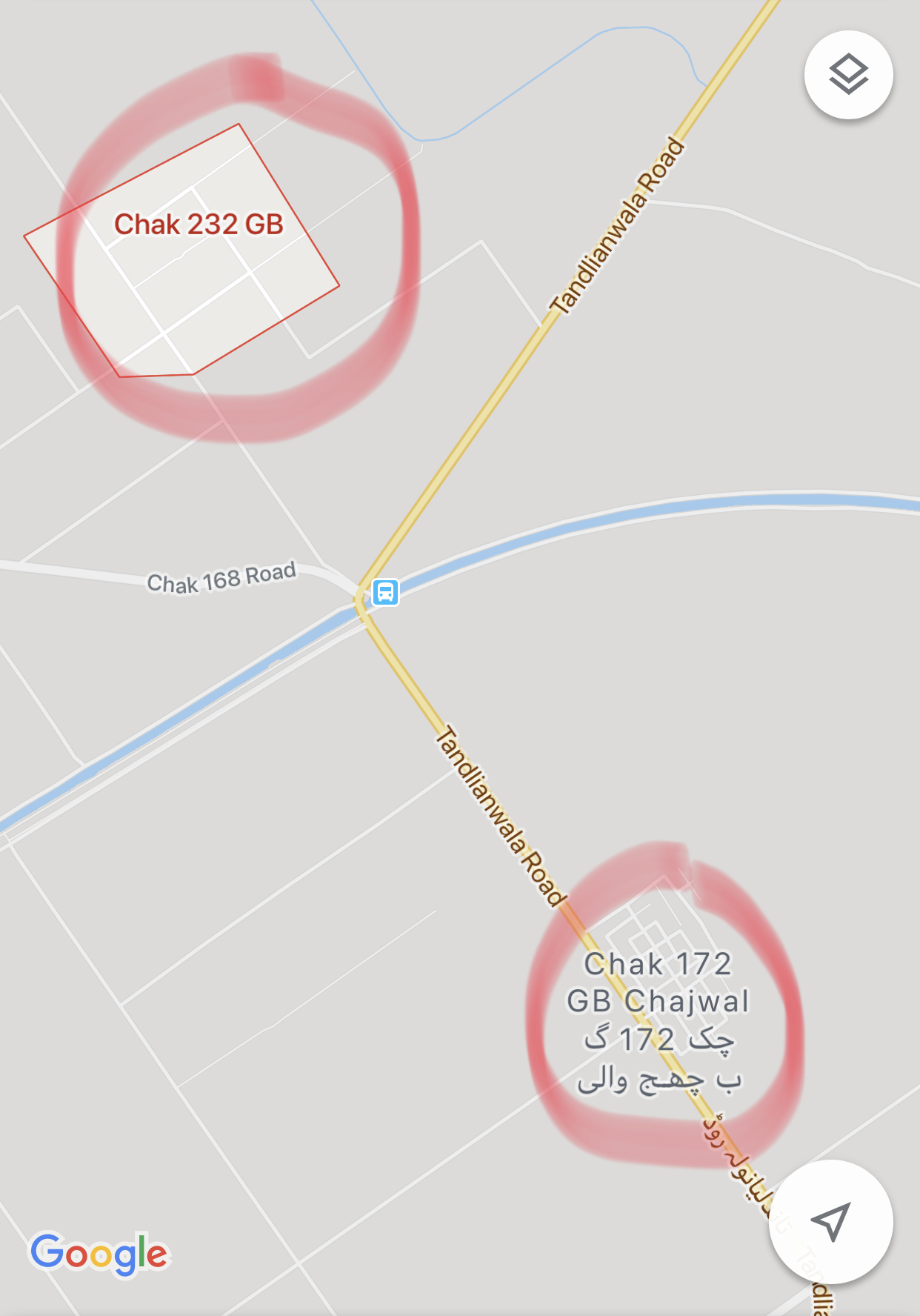
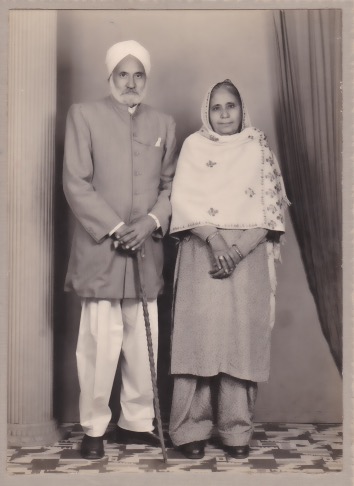
My father was born in the village of Chak 232 GB, Lyallpur in undivided Punjab.  His family consisted on his grandmother and matriarch (Ajaib Kaur), father (Ranjit Singh), mother (Mohinder Kaur) and two younger brothers (Sukhbir and Malkiat).   This village was a Sikh village, part of the canal colonies & composed mostly of ex-soldiers of the British-India armies.  The family had migrated there from Jagraon when his grandfather Subedar Indar Singh of 34th Royal Sikh Pioneers was awarded 5 Murabaas or 125 acres of land (He was a veteran of WW1 who participated in the German offensive on the western front and the Ottoman empire in Mesopotamia). 

He also remembered that his father bought land in the village of Chajwal (Chak 172 GB), a predominately Muslim village, where the family lived until they had to leave when it got too dangerous and unsafe for them.  He vividly recalled both homes- with the house in Chak 232 being ‘Kacha’ (mud construction), whilst in Chajwal (which was newer) had a ‘pakka diwan’ (cemented formal living area) and the rest was ‘Kacha’.  He remembers that the living area was elevated and away from the animal area, and they kept buffaloes for milk, oxen to plough the fields, and goat etc., at home itself.  There also wan as area for grain storage at home and that they grew wheat and cotton in their farms/fields.  He talked about being self-sufficient and didn’t have to buy too many things from the market including cloth/fabric (Khadar) for clothes was weaved at home by his mother and grandmother. Although he was not going to school, he remembered that the nearest school was 6 miles away in ‘Satiana Bangla’.  His fondest memory seemed to be that of a gramophone that served as entertainment for the villagers, where each night, his father would put it out and the whole village gathered to listen to the old records.  He remembered it to be a happy childhood where everyone supported and respected each other irrespective of their religious, political ideologies or economic status.  He fondly remembers the ‘Motbar’ or headman of the village whose name he did not recall during the interview and later remembered him to be “Nur Muhammad” who considered his grandmother to be his sister.  Another recollection that he remembered later on was that there was ‘Gernali road’ (or General’s road) that ran close the the village and was meant for the british, and on which he saw an occasional jeep once in a while, and was kept pristeen by a road roller.  The locals were not allowed on that road so the Indians travelled on a parallel road which was not as nice (that road now seems to be called ‘Tadlianwala road’ in the current map of that area!).

His recollection of when things started to heat up was when his father returned from Lyallpur (now Faisalabad), where there was a firing and from which he saved himself by hiding under the bus.  Upon his return back, he told the village elders that the tide is turning and time would come soon when they will all have to leave the village for good.  The elders didn’t believe him as they considered him too young to assess the situation!  It’s during this time, my father remembers going to the historical gurudwaras’ of Nankana Sahib and Panja Sahib where he recalled putting his hand in the imprint of Guru Nanak’s hand, as it was uncertain when and if they would ever return.

Partition
IMG_4219He recalled that things deteriorated fast after that.  He recalled the day the headman ‘Nur Muhammad’ came to Manji (his grandmother Ajaib Kaur) and said that things no longer are safe.  Although he guaranteed them that none of the villagers would harm them but could not vouch for folks outside the village (which he was hearing of).  Manji asked how much time would they have to pack up?  He told that they just had 30 minutes, and that he will accompany them right to up to the canal and would ensure that get safely into Chak No. 232, the Sikh village.  To their bad luck the wheels of the ox-cart were removed for greasing, so they could only take whatever they could grab and carry in their hands (which was not much), and that Nur Muhammed kept his word and only left when they were safely inside Chak 232.

Per my father’s recollection, the first attack on the village was by ‘Janglees’ (the local jungle folks/nomads) who came beating the ‘dhol’ (Indian drum) and were being led by a leader who was dancing on the mule.  This attack was thwarted by the ex-soldiers who fired and shot the leader that scattered his followers.  However, the attacks on the village kept mounting and my father clearly remembers that women were instructed to kill themselves by jumping from a tall building (and not be captured alive in case the defenses of the village fell).  He also remembers his grandmother’s panic as during one of the attacks he got separated and hid, and her refusal to go into safety unless he was found!  He was eventually located when the curiosity of a child got him to peek outside to see what was going on and someone spotted him.  Eventually the decision was made to leave for India to Dhilwan on the river Beas.

imagesThis was done in two ways, one where young women, children, elderly and handicapped went via a truck, and that is how he travelled with his mother and two younger siblings.  It took them 5-6 hours to travel to East-Punjab.  The route they followed was along the ‘Grand Trunk road (GT road) and went thru Lyallpur, Lahore, Amritsar, Jullundur and Beas, and my father remembers that there was excitement in the air when they reach ‘Balloke Headworks’ a dam site, on their route to India.  Along the way my father remembers seeing some dead bodies, some shot, some decaying!  The other was via a ‘Kafila’ (caravan) of ox-cart, horses, etc. that carried household items and that is how his grandmother and father came (they agreed to bring an ox-cart for someone provided they could also take their stuff, given they were not able to bring their ox-cart in their hurry to leave Chajwal).  It took them over 3 months to reach Dhilwan given the slow nature of ox-carts to move.  In the meantime, there was no news of them until one day news came that the ‘Kafila’ had reached the village and that is how they reunited as a family.
Here he also remembered an enduring memory that is etched in his brain.  Apparently, to get to Dhilwan from Beas (where the truck dropped them), this stretch needed to be done on foot.  However, they were told that a large Muslim Kafila has encamped on the side of the road and it would be safer if they went via the bus.   My father remembers seeing this large caravan resting before it could resume its journey towards Pakistan, however, this was the monsoon period in the subcontinent with the torrential rains deluging the landscape, and as a result the Beas river started to swell.  At night time, my father remembers hearing the people’s shrieks as they were being swept away by the flood waters!  Another vivid story that he remembered during this time was that the floods which was chest high also caused food shortage.  He remembers that one of the shopkeepers was stockpiling rice, sugar and soda (washing detergent) intended for the black market, which he refused to sell or give to these starving refugees.  Only when the flood water started seeping into his storage area, he made a deal to split whatever they helped save 50/50.  This is what got them thru these days where they ate raw rice mixed with sugar to survive!
Post-Partition 

Once the family reunited, the arduous task of re-settlement began.  The decision was made to move to the village of ‘Badhni Kalan’, which was my father’s grandmother’s parental village and where she had some land on her name.  They first moved in with some of her extended family members (given she was the only child) and these relatives really welcomed them.  Next came to decision to acquire their own dwelling, so it made sense when it was suggested that being refugees, they take over a house that was abandoned by a Muslim family who relocated to Pakistan.  One such house was located which belonged to a teacher by the name of Sher Muhammed.  Only problem was that it was being used for storage by the ‘Jan Sangh’ group, a local Hindu political party!  When approached, they reluctantly agreed but told them to return the next day to get possession.  However, upon their return the following day, they found that there was no one to receive them and hand them the key, instead the house was bolted shut and sealed from inside by a layer of bricks.  My father recalled that then his hot-blooded uncle broke the lock, scaled the house, got inside and opened all the doors, and that is how they got possession of the house.  Also, this was pre-dominantly a Hindu neighborhood so they did not want Sikhs to move in, as they thought they will be rowdy and misbehave with their women, so each night thereafter they would congregate and hold demonstrations outside their house.  They even got a police constable to come each night but to the family’s good luck they had a relative at high police post in Moga (the neighboring town) so none of the police constables intruded.  This was also a time when a huge tragedy and setback happened for the family.  His father got admitted to the hospital due to Typhoid (apparently a doctor told them they were refugees and did not have much money, so their best bet is to go to the hospital) and during this time his one-year brother Malkiat got dysentery and he died from it.  This news was kept from the father for a few days until he started to ask for him.  My father recalls witnessing his grandmother crying profusely, covering her face so no one can see her grief, and took the body for burial (as infants were buried as opposed to cremation).

My father said it took them about 6 months to get used to of their new environs.  He remembers fondly starting school here where first the instruction was done in Urdu and quickly changed to Gurmukhi.  He remembers his teacher very fondly (although he didn’t name them all, but they were Chajju Ram who was his first grade teacher, Uttam Singh his math teacher who loved his grandmothers Dahi-Bhalla, Channan Singh, Gajjan Singh his english teacher, Mal Singh his punjabi teacher and Sant Singh his second grade teacher who was extremely near-sighted and one knew they were in trouble when he looked up from reading his book and hooked his walking stick to bring a student closer), who all although strict were excellent teachers.  He proudly remembers being the monitor of his class from grade 1 to 8 and how he ran the school store, and he was loved by everyone because he was so responsible!  They eventually moved to the town of Moga for higher secondary education (where the family made a house) and went on to Ludhiana for his college education.  He remained a good student throughout!

He eventually joined the Indian Air Force and where he rose to the rank of Air Commodore (Brigadier General) as a navigator.

In closing, I am so proud of my father as his achievements are all his own and gained thru great hardships and perseverance.  What amazes me is that he remains humble, grounded and reverent, and doesn’t let the ghosts and setbacks of the past hinder him in anyway.  He is one of the most positive person I know and I am very lucky to have him in my life.  I also want to take a moment to acknowledge all the families on both sides of the border who also endured and overcame such hardships.  And to the citizens of both Pakistan and India who are celebrating their respective Independence days on August 14th (Pakistan) and on August 15th (India) to take the time to remember, honor and pay homage to these families and our shared history that saw 12-14 million people displaced from their homes & the refugee crisis it created, over 2 million that lost their lives, countless that became orphans or went thru great autocracies.  They are our unsung heroes and we need to acknowledge that his violent partition is an important chapter of our combined histories.  And for those who may have forgotten or don’t know the impact, the following youtube video captures the time and sentiments beautifully.

Other sites to explore-

https://www.facebook.com/1947PartitionArchive

https://www.1947partitionarchive.org/

https://en.wikipedia.org/wiki/Partition_of_India

Bhagwant Singh: Escape from Jallianwala Bagh Massacre (1919)

jallianwala1

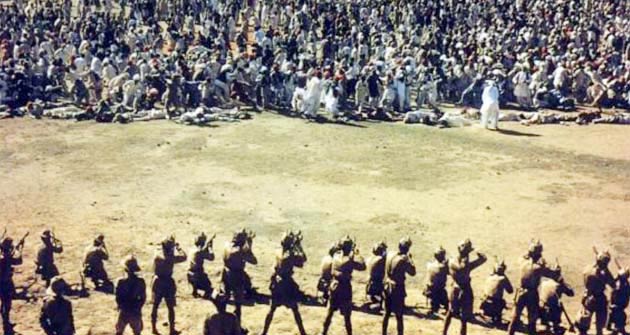
I didn’t realize that Basakhi this year marked the 100th anniversary of the Jallianwala Bagh massacre. I would say that this tragedy, a ghastly & major traumatic event in pre-partition and undivided India, is seared in the brains of every Punjabi irrespective of the border. It saw hundreds of innocent men, women and children die and/or get seriously injured; its sheer brutality wrenched an entire nation, led to a major loss of faith of its British colonial rulers, and accelerated the pro-independence movement.

So what were the events that unfolded and actors involved? History states that on 13th April 1919, a Basakhi day, there was a peaceful gathering for a pro-independence campaign, which brought local folks from all walks of life (men, women and children) to Jallianwala Bag, a public park! This was the time a newly appointed General Dyer was the commandant of the Area, and he had banned public gathering post curfew. Unfortunately this news hadn’t trickled to the masses and so people were unaware of this ruling, and thus were gathering in the park. This meeting was seen as an act of defiance by the General who took a Gurkha battalion, blocked the only narrow entry/exit point, and ordered indiscriminate firing on unarmed and mostly innocent bystanders. In this mayhem and firing that went on for 10 minutes until all ammunition was exhausted, was a carnage on all accounts.

This story also has a personal twist. My ancestor (maternal grandfather Sardar Bhagwant Singh), who at the time was a student at Khalsa College, was also present in Jallianwala Bagh at the time of the massacre. My mother shared here recollection of events that he shared with her. Apparently, he went there with a few friends as a curfew in the city had recently been lifted, it was Basakhi (that fell on Sunday that year) and with Harmandir Sahib only a stone throw away, this gathering got their curiosity aroused, so the young men who had nothing much to do went to this gathering! She also remembers that the principal of the college did warn the boys that although he could not stop curious young men from attending, however, in case there is an unfortunate event, they were to lie flat on the ground and whenever safe leave for their homes (and not the college) so that he can cover for these young Kent and say they had gone home. Apparently this was a time when pro-independence movements and national Ferber were gaining momentum in India! So when the firing commenced, my grandfather and his friends hit the ground and remained there. One of his friends did get curious and lifted his head to see what was going on to find a bullet graze his ear! So they remained there and did not move till the middle of the night and between 2-3am climbed the steep walls surrounding the park and made their escape!

An Ancestor in the Second Anglo-Sikh War: The Raja of Ladwa

m2

I forgot to finish my previous post regarding my ancestor’s sister and brother-in-law.  Earlier in my blog, I had shared that it was during my great-aunt’s (Sirdar Dewa Singh’s sister’s) wedding to Raja Ajit Singh, the Regent of Ladwa (also written Ladva), that my great grandfather came into distinction.  I now want to expand on what became of this great uncle (the Raja), his wife (my great aunt) and the Riyaset (Kingdom).  I promise it’s’ riveting stuff and one that makes history exceedingly real!

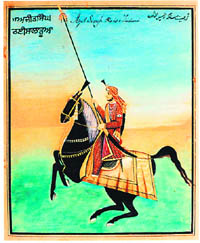
‘Ladwa state’ in essence was the territory around Thanesar in Haryana, which was acquired by Raja Gurdit Singh. a close confidant of Maharaja Ranjit Singh (being from the same clan, village & ’Karoringhia Misl’).  Later on around1764 the village of Baddoval (near Ludhiana) was also given as a ‘Jagir’ to him by Maharaja Ranjit Singh, as part of the conquest against Mughal Sirhind.  Eventually his son, Raja Ajit Singh, succeeded him to the throne, and he was recognized as the ‘Regent of Ladwa’ by George Eden, 1st Earl of Auckland, the then British governor-general of India.  And like his father, Raja Ajit Singh continued to remain a staunch ally of Maharaja Ranjit Singh & supported his various campaigns of conquests, and for which he continued to receive favors from him. 

Then in 1839, upon Maharaja Ranjit Singh’s demise, the East India Company set sights to annex his wealthy kingdom.  This let to the first ‘Anglo-Sikh’ war (which was fought between 1845 and 1846 in Pheru Sheher, Moodkee, Sobraon and Chillianwallah) where Ajit Singh fought on the side of the Sikhs and against the British.  He and Ranjodh Singh Majithia (a famous general), not only seized the forts of Fatehgarh, Dharamkot, Baddoval, but also entered Ludhiana cantonment where they set the barracks on fire!  However, on January 28th, 1846, during the ‘Battle of Aliwal’ the Sikhs suffered defeat and Raja Ajit Singh fled the battlefield.  His actions and support of the Sikh cause was considered to be treason against the British, so his Kingdom and estates were confiscated, and his wife (our great aunt) arrested and imprisoned at the Govindgarh fort.  He eventually was captured in Allahabad, and during his captivity, he orchestrated yet another escape and was never captured again by the British. He is considered the only Raja who helped the Sikh cause below the Sutlej, so I would safe to say that he perhaps was amongst the first freedom fighter in Punjab.

PS- You can read more about him in the following article- http://www.anglosikhwars.com/battle-of-buddowal-21st-jan-1846/.  Also, some interesting youtube post on ‘BBC Celebrity Antiques Roadtrip programme’ about some article from anglo-sikh wars https://www.youtube.com/watch?v=33L9N8-BGQI&feature=youtu.b

The Festival of ‘Hola Mohalla’


Each year, I hear about the festival of ‘Hola Mohalla’ from my Chachaji from ‘Pind’ (village).  His fervor and eagerness to go to Anandpur Sahib to partake in the festivities and set up for the ‘Langar Seva’ (selfless service as a free kitchen), plus the photos that I have seen of the jubilation and revelry intrigues me to not only attend it one day, but also is very reminiscent of a bygone era!  It also invokes great reverence for the 10th guru, Guru Gobind Singh, who was getting ordinary Sikhs physically and mentally ready to take on a mighty Mughal Army and challenge its emperor Aurangzeb, who was conducting unimaginable and bloodcurdling autocracies.  The quote of Guru Gobind Singh’s that comes to mind is “chirian te mein baaz ludaun, gidran to mein sher banaun, sawa lakh se ek ladaun, tabe Gobind singh Naam kahaun’ (only shall I be called Gobind Singh, when I train the sparrow to fight the hawk, I turn jackals into lions, and I make one Sikh fight a legion of hundred thousand’).  I feel if I was there I would invoke the spirit and presence of the guru himself!

So what is this festival ‘Hola Mohalla‘?  It is a three-day martial arts festival which is held annually during spring time, in Anandpur Sahib, the day after ‘Holi’ (the festival of colors) is celebrated. So this year Holi falls on March 21st, so Hola Mohalla will be celebrated March 22nd to the 24th! Some say that the word ‘Hola’ is a masculine variant of the word ‘Holi’, but the best explanation I found is by Bhai Kahan Singh, who points that the world ‘Hola’ is derived from the word ‘Halla’ (pronounced Hul-la) which means to attack, to assault or to descend upon, while the term ‘Mohalla (pronounced Ma-halla) stands for an organized parade or procession.  So together, it means the ‘the charge of the cavalry or armies’.  This makes sense given that the Sikhs and Nihangs gather to display their valor and prowess in a militaristic manner, and the festivities include demonstrations of swordsmanship, fancy foot works, ‘Gatka’, horsemanship, tent pegging, bareback horse riding, etc. Also battlefield mastery is demonstrated thru mock battles & combats.  Although all this are from a bygone era, the essence of the festival is ‘bravery’ and a reminder to that Sikhs that they are soldier-saints who have a duty to protect and honor the helpless and downtrodden.